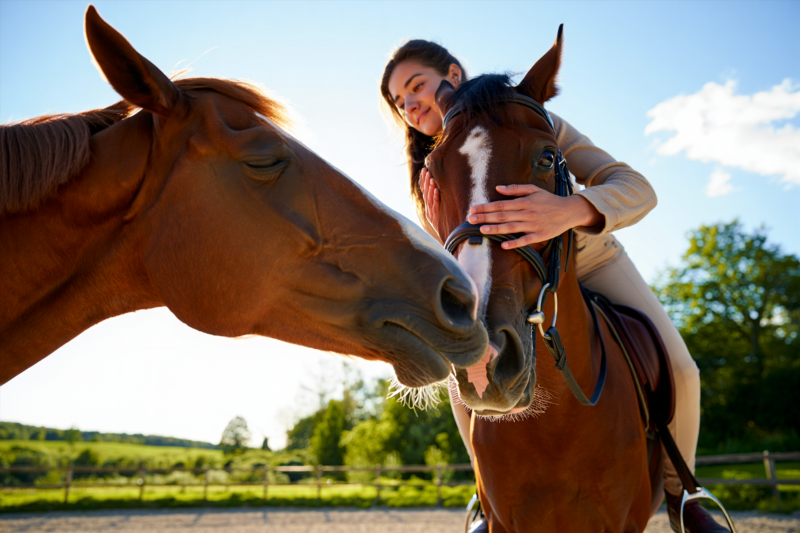
The Power of Horse Psychology in Equestrian Training
In the world of equestrian sport and care, many enthusiasts and professionals tend to focus heavily on equipment—saddles, bits, boots, and training aids—believing these tools are the primary determinants of success. However, what if the secret to more effective training isn’t just better gear, but a deeper understanding of your horse’s mind? At EquiForge, we emphasize that horse psychology plays a pivotal role in building trust, fostering connection, and ultimately achieving superior training outcomes.
Understanding the horse’s emotional and mental state allows riders, trainers, and breeders to communicate more effectively, reduce behavioral issues, and cultivate a partnership rooted in mutual respect. This approach not only enhances performance but also creates a safer, more enjoyable riding environment.
Why Focus on Horse Mindset Over Equipment?
1. Building Trust Creates Willing Partners
Trust is the foundation of any successful horse-rider relationship. When a horse feels secure and understood, it becomes more receptive to training. Focusing on psychology helps riders recognize signs of fear, anxiety, or reluctance, enabling them to adjust their approach accordingly.
- Trust reduces resistance during training sessions
- A secure mind encourages better communication
- Willingness to engage improves overall performance
2. Enhancing Connection Leads to Better Communication
Equestrian training is fundamentally about communication—a two-way dialogue. Equipment can assist this dialogue but cannot replace understanding the horse’s emotional cues. By reading body language, vocalizations, and subtle signals, riders can tailor their methods to suit each horse’s unique temperament.
- Recognize signs of stress or comfort
- Use psychological insights to motivate and calm
- Develop a responsive, bonded partnership
3. Improving Safety and Reducing Behavioral Issues
Equipment is only effective if the horse is mentally prepared. Ignoring the psychological aspect often leads to resistance, bucking, spooking, or withdrawal. Recognizing and addressing psychological needs promotes calmer behavior and reduces risks for both horse and rider.
- Reduce training setbacks
- Minimize injury risks caused by behavioral reactions
- Create a safer training environment
How to Incorporate Horse Psychology into Your Training
Recognize and Respect Individual Personalities
Every horse is different. Some are naturally confident, others wary or sensitive. Tailor your approach to each horse’s temperament, adjusted as they grow and change.
Use Positive Reinforcement and Patience
Consistently rewarding good behavior fosters confidence and encourages learning. Patience builds trust, making new skills easier to acquire.
Implement Desensitization and Stress-Management Techniques
Gradually introducing new stimuli or environments helps reduce fear responses, boosting your horse’s mental resilience.
Engage in Show-Jumping and Dressage with Empathy
Understanding biomechanics and horse psychology enhances precision and responsiveness, leading to better performance in disciplines like show jumping and dressage.
FAQs About Horse Psychology and Training
Q: Is equipment not important at all?
A: Equipment plays a role, especially in technical disciplines and safety, but it is secondary to understanding and addressing the horse’s emotional needs. Proper gear complements a psychologically sound training approach.
Q: How do I know if my horse is mentally ready for training?
A: Observe cues such as relaxed body language, willingness to approach, and calm reactions to stimuli. If your horse appears tense or distracted, it may need time to settle its mind first.
Q: Can psychological training eliminate behavioral problems?
A: While it greatly reduces issues by resolving underlying fears or anxieties, some behavioral problems may also require veterinary or behavioral specialist intervention.
At EquiForge, we believe that the most effective training stems from a comprehensive understanding of the horse’s mindset. When riders prioritize psychological connection over reliance on equipment, they foster trust, improve communication, and unlock greater performance potential across all disciplines. Whether you’re trail riding, competing, or breeding, embracing horse psychology as a core element leads to more confident riding, better outcomes, and a deeper bond with your equine partner.
Take Action Today
Ready to elevate your training by understanding your horse’s mind? Explore our expert guides on behavioral cues, psychological training techniques, and biomechanics at EquiForge. Develop a partnership built on trust and connection—because better training begins with understanding the horse’s world.