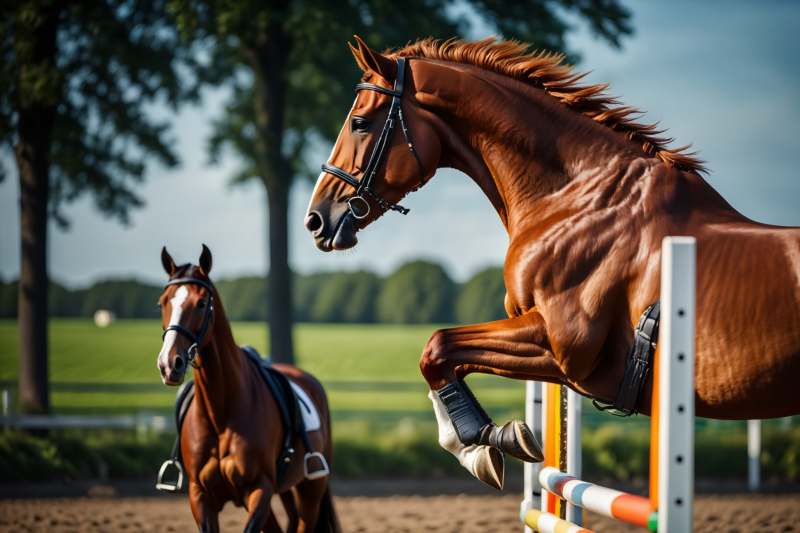
Why Some Horses Perform Better in Jumping Than Dressage
Understanding Equine Preferences and Strengths
At the heart of every successful rider-trainer-horse partnership lies a deep insight into individual horse temperament, ability, and natural inclination. While some horses shine across disciplines, excelling in jumping, others excel in dressage. Recognizing these innate tendencies can significantly impact training efficiency, performance, and the overall well-being of your horse.
In this article, we explore *why certain horses thrive in jumping* compared to dressage, delving into biological, psychological, and training factors. By understanding these core elements, you can tailor your approach to position your horse for success in their preferred discipline, whether it’s show jumping, dressage, or both.
The Biological Basis of Equine Performance Preferences
Genetics and Conformation
Every horse’s genetic makeup influences their physical capabilities and behavioral tendencies. Some breeds are predisposed to excel in jumping due to specific conformation traits such as:
- Strong hindquarters for propulsion
- Long, powerful legs for clearance
- Agile joint structure facilitating quick, precise movements
Conversely, breeds with a more refined build and a focus on endurance and precision may naturally gravitate towards dressage.
Muscular Development and Biomechanics
Jumping requires explosive power, muscular elasticity, and coordination. Horses with:
- Well-developed jumping muscles, especially around the hindquarters
- Flexibility in the back and hips
- A good proprioceptive sense for spatial awareness
are biologically inclined toward obstacles, mastery, and agility.
In comparison, dressage demands controlled, precise, and often subtler movements. Horses with a higher prevalence of fine motor control and a more flexible, balanced build tend to perform better.
Psychological Factors and Temperament
Boldness and Confidence
Jumping horses often display a bolder, more confident temperament, which allows them to approach jumps with enthusiasm and less hesitation. They:
- Possess higher levels of curiosity
- Exhibit a natural risk-taking attitude
In contrast, horses prone to anxiety, apprehension, or sensitive natures may find the complexity and precision of dressage more suitable or may require gradual desensitization.
Response to Training and Environment
Horses that enjoy varying stimuli, thrive on quick decision-making, and respond well to dynamic environments are more suited for jumping disciplines. Conversely, horses that prefer consistency, precision cues, and calm surroundings may excel in dressage.
Key Factors Influencing Suitability to Jumping or Dressage
| Factor | More Suited to Jumping | More Suited to Dressage |
| Conformation | Strong hindquarters, long legs | Flexibility, refinement |
| Temperament | Bold, confident, curious | Calm, sensitive, obedient |
| Muscular Development | Explosive power | Fine motor control |
| Response to Stimuli | Quick reactions | Precision and subtlety |
| Innate Disposition | Risk-taker, agile | Focused, attentive |
How to Enhance Your Horse’s Performance Based on Their Strengths
Tailor Training to Strengths
- For jumping horses: Incorporate exercises that develop power, agility, and confidence. Use progressive obstacle courses and encourage natural risk-taking.
- For dressage horses: Focus on finesse, flexibility, and responsiveness through precision drills, lateral work, and supple exercises.
Recognize and Respect Individual Dispositions
Avoid forcing your horse into disciplines they are biologically or psychologically less inclined toward. Instead, nurture their natural talents and gradually introduce new challenges to expand their comfort zones.
Use Modern Stable Management and Biomechanics
Understanding biomechanics and saddle fitting can optimize your horse’s comfort and performance. Regular assessments, injury prevention protocols, and feeding systems tailored to their discipline support their natural abilities.
Conclusion: Building a Success-Oriented Partnership
By appreciating why some horses excel in jumping while others prefer dressage, you can:
- Make informed decisions in training and selecting disciplines
- Maximize your horse’s innate talents
- Minimize stress and injury risks
- Achieve higher performance levels in your chosen discipline
Whether your horse is naturally predisposed to agility and risk-taking or to grace and precision, recognizing these traits is fundamental to building trust, confidence, and success in every arena — from leisure trails to elite competition.
Ready to elevate your equestrian journey? Explore our expert-guided training strategies, biomechanics insights, and modern stable management tools at EquiForge — your ultimate platform for advanced horse training and equestrian excellence.
Frequently Asked Questions
Q: Can I train a horse to excel in disciplines different from their natural inclinations? *Yes. With proper training, patience, and tailored approaches, most horses can develop skills in multiple disciplines. However, respecting their innate preferences can lead to quicker progression and less stress.*
Q: How do I identify my horse’s natural strengths? *Observe your horse’s behavior, response to different exercises, and physical conformation. Consulting with an equine sports veterinarian or trainer can provide valuable insights.*
Q: What role does biomechanics play in enhancing performance? *Proper biomechanics and saddle fitting optimize movement, reduce injury risk, and improve responsiveness, allowing your horse to perform at their best in their preferred discipline.*
Harness the power of understanding your horse’s natural disposition to unlock their full potential. At EquiForge, we guide you through every step toward a rewarding and successful equestrian partnership.