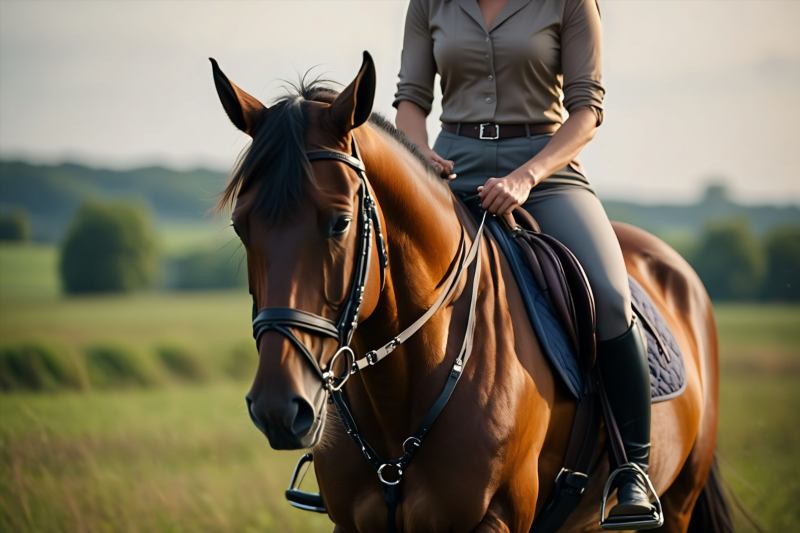
In the world of advanced horsemanship, soft hands are more than just a style—they are the foundation of harmonious, light, and elegant riding. Mastering soft rein control allows riders to communicate subtly and effectively with their horses, fostering trust and responsiveness. Whether you’re perfecting your dressage movements, enhancing show jumping performance, or enjoying leisurely trail rides, the art of soft hands elevates your riding experience and results. This article delves into proven techniques and strategies for developing and maintaining soft hands, transforming your control into an expressive tool of partnership and finesse.
Why Soft Hands Matter in Riding Performance
Reduces Rider Fatigue and Horse Resistance
Using excessive force on the reins can lead to tension, fatigue, and resistance from the horse. Soft hand techniques promote a relaxed connection, minimizing physical strain and encouraging a willing, responsive mount.
Enhances Communication and Trust
Gentle rein contact is the language of trust. Light and consistent touch conveys confidence and respect, fostering a partnership where the horse responds intuitively to subtle cues.
Improves Overall Riding Elegance and Lightness
Elegant riding is characterized by finesse and harmony. Soft hands help achieve this aesthetic by allowing smooth, fluid transitions and precise control without forceful interventions.
Core Techniques for Soft Hand Rein Control
1. *Elastic and Gentle Rein Contact*
Maintaining a steady but elastic contact with the horse’s mouth ensures responsiveness without restriction.
- How to do it: Keep elbows bent and relaxed, with reins that are slightly give-and-take—like a gentle spring—that adapts to the horse’s movement.
- Tip: Avoid pulling back or bracing against the horse; instead, let your hands follow the horse’s head and neck naturally.
2. *Hand Positions and Alignment*
Proper hand placement is essential for effective soft rein control.
- Position: Keep your hands low and close together, slightly above the withers, with thumbs on top to allow a straight line from elbow to bit.
- Alignment: The hands should move as a single unit, maintaining consistency and avoiding unwanted pulls or tugs.
3. *Rein Squeezing and Releasing*
Using gentle, rhythmic pressure and release creates a clear and subtle cue system.
- Technique: Instead of pulling, think of light squeezing the reins with your fingers and releasing as the horse responds.
- Application: Use this method during transitions or lateral movements to refine your control while maintaining softness.
4. *The Two-Handed Approach with Symmetry*
Equal and simultaneous contact on both reins helps keep the horse balanced and responsive.
- Tip: Avoid uneven pressure or sudden pulls; instead, apply gentle, evenly distributed contact to guide your horse precisely.
5. *Breathing and Relaxation*
Your physical and mental relaxation plays a significant role.
- Guideline: Synchronize your breathing with your rein aids; inhale deeply before signaling and exhale as you encourage your horse to soften or move forward.
- Result: Relaxed muscles translate into soft, responsive reins.
Practical Tips to Develop Soft Hands
| Tip | Description | Why It Works |
| Practice with a mirror | Observe your hand position and tension. | Enhances self-awareness and correction. |
| Use a lunge line | Focus solely on reins and posture without horse influence. | Isolates hand movements for refinement. |
| Work with a qualified instructor | Receive feedback and tailored exercises. | Accelerates progress and prevents bad habits. |
| Engage in Pilates or yoga | Enhance core strength and body awareness. | Supports stability, reducing unnecessary tension. |
Addressing Common Questions
How can I tell if my hands are truly soft?
Soft hands are characterized by minimal tension, consistent contact, and the absence of jerky movements. You should feel a gentle, elastic contact—like holding a delicate flower—rather than a rigid or pulling sensation.
What if my horse becomes light and responsive but my hands feel tense?
Focus on relaxation techniques—deep breathing, visualization, and slow, deliberate rein aids. Sometimes, tension in the rider’s body—or subconscious tension—affects hand softness. Practicing mindfulness during riding helps maintain relaxed control.
Can soft hand techniques be applied at all riding levels?
Absolutely. Soft hands are fundamental across all disciplines and levels, from beginner riders developing feel to advanced riders seeking finesse and subtlety.
Building Your Ride with Soft Hands
Incorporate light rein control techniques into daily practice to build an instinctive, effortless feel. Combine these with visualizations of flow and partnership with your horse. Remember, mastery comes through consistency, awareness, and patience. The reward? A riding style that is not only effective but also a true art of harmony—light, elegant, and expressively connected.
Final Thoughts: Your Path to Elegant, Light Riding
Enhancing your rein control through soft hand techniques transforms riding from mere mechanical movements into a graceful partnership. By fostering lightness, harmony, and mutual trust, you unlock your full potential and elevate your equestrian journey. Embrace these methods, practice diligently, and watch your riding soar into a realm of effortless elegance.
Ready to refine your soft hands and elevate your riding? Explore expert coaching, interactive courses, or personalized feedback to accelerate your progress. Begin today and experience the true art of light and elegant riding!