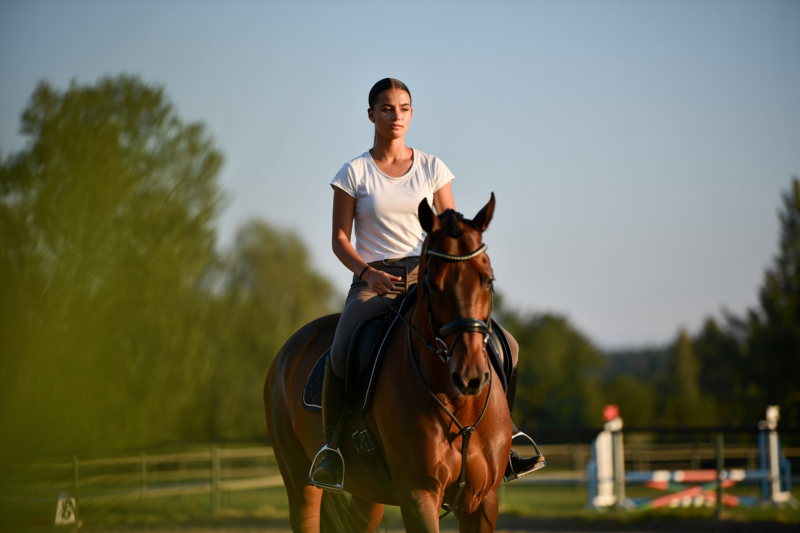
In the world of equestrian sports, mastery isn’t just about physical skill—it’s equally about mental resilience. Whether you’re a competitive rider aiming for podium finishes or a passionate enthusiast enjoying leisure rides, mental clarity and confidence are essential for optimal performance. At EquiForge, we understand that the mental side of riding can make or break success in the arena. Our comprehensive guide offers practical mental strategies designed to help you overcome fear, sharpen focus, and ride with unwavering confidence.
Why Mental Mastery Matters in Equestrian Performance
The rider’s mindset influences everything—from decision-making during a ride to the way you handle your horse’s responses. Research in biomechanics and horse psychology shows that confident, focused riders are more in tune with their horses, leading to smoother communication and better results. Conversely, fear and distraction impair performance and can even lead to injury.
Key reasons mental strategies matter:
- Improved riding accuracy and consistency
- Enhanced bond and trust with your horse
- Increased safety and injury prevention
- Greater enjoyment and fulfillment in riding
Common mental obstacles riders face
Knowing the barriers to confidence and focus helps in developing targeted strategies:
| Obstacle | Effect on Riding |
| Fear of falling or injury | Hesitation, loss of control |
| Anxiety during competitions | Distraction, shaky nerves |
| Lack of focus or attention | Poor decision-making, mistakes |
| Self-doubt or negative thoughts | Reduced confidence, hesitation |
Practical Mental Strategies for Riders
Implementing psychological techniques can significantly elevate your riding experience. Here are actionable tips to build mental resilience:
1. Visualization and Mental Rehearsal
- What it is: Creating vivid mental images of successful rides.
- How to do it: Before you mount, visualize yourself executing perfect transitions, jumping hurdles smoothly, or maintaining perfect posture.
- Benefit: Builds positive expectations, reduces anxiety, and primes your brain for success.
2. Mindfulness and Present-Moment Awareness
- What it is: Focusing on the here and now, instead of past mistakes or future worries.
- How to do it: Use breath control or body scans to center your attention during riding sessions.
- Benefit: Enhances focus, reduces anxiety, and improves reaction time.
3. Establishing Pre-Ride Routines
- What it is: A consistent set of mental and physical preparations before every ride.
- How to do it: Deep breathing, affirmations, or specific warm-up rituals.
- Benefit: Creates familiarity, boosts confidence, and signals your brain to shift into a performance mindset.
4. Positive Self-Talk
- What it is: Replacing negative thoughts with affirming, empowering statements.
- How to do it: Use phrases like “I am prepared,” “I trust my horse,” or “I can handle any obstacle.”
- Benefit: Reinforces self-confidence and combats self-doubt.
5. Progressive Exposure and Desensitization
- What it is: Gradually confronting fears in controlled settings.
- How to do it: Start with basic exercises and small jumps, slowly increasing complexity.
- Benefit: Builds resilience and diminishes fear’s hold over your riding.
6. Focus on Process, Not Just Outcome
- Shift your focus from winning or achieving (results) to the quality of your riding techniques.
- Celebrate small improvements to reinforce confidence and stay motivated.
Enhancing Focus with Neuro-Mind Strategies
Focus is a key ingredient in peak riding performance. Here are neuro-mind techniques that sharpen your concentration:
- Cue-based routines: Establish consistent cues (e.g., a deep breath before a jump) to bring your attention back to the present.
- Attention drills: Practice exercises that challenge your focus, such as riding with a specific mental checklist.
- Limit distractions: Keep your environment as distraction-free as possible, especially during training.
Addressing Rider Fears and Building Confidence
Common Rider Fears
- Falling or injury
- Losing control
- Performance failure
How to Overcome Them
- Educate Yourself: Knowledge about biomechanics, saddle fitting, and injury prevention builds trust.
- Work with a Mental Coach: A sports psychologist specialized in equestrian sports can provide personalized strategies.
- Practice Under Supervision: Gradually increase difficulty levels in a controlled, supportive environment.
Building a Confidence-Driven Routine
| Step | Action | Purpose |
| 1 | Ground yourself with breathing exercise | Calm nerves and center focus |
| 2 | Visualize successful riding moments | Set positive expectations |
| 3 | Affirm your abilities | Reinforce confidence |
| 4 | Perform a specific warm-up routine | Prepare physically and mentally |
| 5 | Set clear, achievable goals for each ride | Maintain motivation and focus |
Achieving mental mastery in riding builds a resilient, focused, and confident rider capable of thriving in any arena—from leisurely trails to elite competitions. By integrating proven psychological strategies, enhancing your understanding of biomechanics and equine psychology, and practicing mindful routines, you can overcome fears and elevate your performance.
At EquiForge, we believe that understanding and nurturing the mental side of riding is as vital as mastering riding techniques. Take action today—adopt these mental strategies and experience the difference in your confidence, focus, and connection with your horse.
Ready to ride with unwavering confidence?
Explore our further resources and expert guidance at EquiForge to elevate your equestrian journey. Start implementing these strategies now, and thrive in every riding arena!