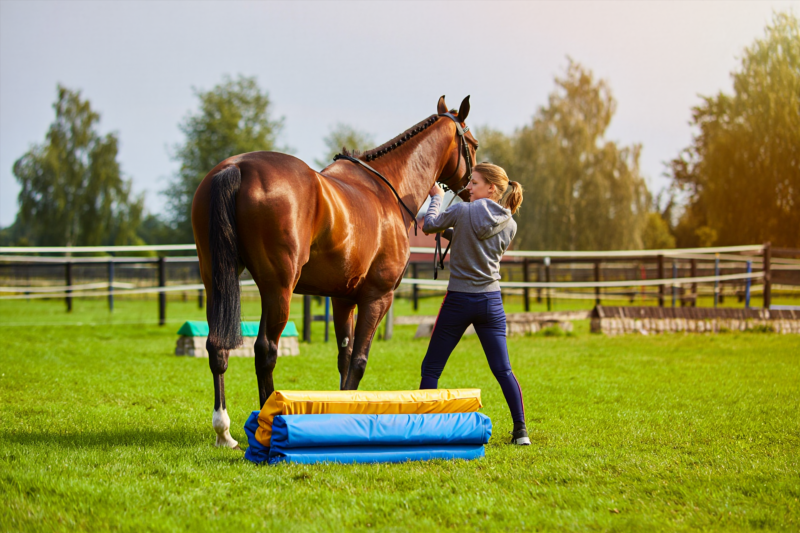
Introducing your horse to new obstacles and environments is a crucial step in enhancing their confidence, safety, and performance. Whether you are preparing for a show jumping course, exploring new trail terrains, or tackling unfamiliar obstacles at home, a structured and thoughtful approach minimizes stress and maximizes success. At EquiForge, we believe that a well-planned introduction not only builds trust between rider and horse but also nurtures a resilient, confident equine partner.
This comprehensive guide outlines expert strategies, safety considerations, and practical tips to help you introduce your horse to new challenges with confidence and ease.
Understanding Your Horse’s Natural Response to New Stimuli
Before embarking on any new challenge, it’s essential to understand your horse’s typical reactions:
- Curiosity vs. Fear: Some horses approach new obstacles with curiosity, while others may show signs of fear or hesitation.
- Individual Temperament: Recognize each horse’s unique temperament and past experiences which influence their response.
- Gradual Exposure: Horses are naturally cautious; gradual exposure helps them adapt without overwhelming stress.
By observing and respecting your horse’s instincts, you can tailor your approach to ensure a safe and positive experience.
1. Prepare Thoroughly
- Assess the Environment: Visit the new setting beforehand to identify potential hazards or intimidating features.
- Gather Appropriate Equipment: Use well-fitted saddles, bridles, and safety gear. Consider protective boots for legs if necessary.
2. Establish Trust and Calmness
- Create a Positive Association: Spend time with your horse near the new environment, using gentle ground work to build trust.
- Use Calming Aids: During initial sessions, calming supplements or calming techniques such as deep breathing and soft talking can help.
3. Introduce Obstacles Gradually
- Start Small: Use low-height obstacles or minimal environmental changes.
- Increase Complexity Over Time: Slowly introduce new features like height, width, or different surfaces once your horse shows comfort.
4. Use Clear, Consistent Cues
- Maintain a Calm Demeanor: Your posture and tone should be reassuring.
- Apply Gentle Guidance: Use your aids consistently, and reward your horse’s efforts with praise or treats.
5. Watch for and Manage Stress
- Recognize Signs of Stress: Tail swishing, ear pinning, heightened respiration, or pulling away.
- Allow Breaks: Give your horse time to process the new challenge without pressure.
| Tip | Details |
| Keep a Safe Distance | Maintain a safe distance from obstacles until your horse is clearly comfortable. |
| Use Proper Fencing | Ensure the area is securely enclosed to prevent escapes or accidents. |
| Have an Emergency Plan | Always be prepared with an exit strategy or calming tools like a rescue remedy. |
| Maintain a Clear Path | Remove any debris or hazards that could cause injury. |
Practical Tools and Techniques for Success
- Desensitization Exercises: Use float or tarp walks to get your horse used to strange textures and sounds.
- Target Training: Teach your horse to touch or step onto new objects gradually, building confidence.
- Groundwork Basics: Lead your horse over or around obstacles before riding to strengthen trust and understanding.
- Progression and Patience: Never rush; allow your horse to master each step before moving on to more challenging tasks.
Expert Tips for Long-term Success
- Consistency Is Key: Regular practice helps reinforce positive associations and reduces fear.
- Positive Reinforcement: Reward your horse with treats or praise for each successful step.
- Observe and Adapt: Watch for signs of discomfort or reluctance and adjust your approach accordingly.
- Document Progress: Keep a training journal to track what works and what needs more attention.
Answering Your Questions
Q: How long does it typically take to introduce a new obstacle safely? A: The timeline varies depending on the horse’s temperament and previous experiences. Some may master a new obstacle in a single session, while others may need multiple sessions over weeks. Patience and consistency are crucial.
Q: What if my horse refuses or backs off from an obstacle? A: Back off to a simpler level, use ground exercises, and reintroduce gradually. Never force the horse, as this can increase fear or resistance.
Q: How can I build trust during this process? A: Use gentle handling, patience, clear cues, and positive reinforcement to foster a trusting relationship. Spend time bonding outside of challenging activities.
Final Thoughts: Building Confidence Safely
Introducing your horse to new challenges is both an art and a science rooted in patience, understanding, and strategic planning. By following these expert strategies, safety tips, and utilizing practical tools, you’ll create a positive learning environment that promotes confidence and trust. Whether preparing for a show jumping event or simply expanding your horse’s comfort zone, safety and gradual progression are your best allies.
Remember: Every step forward is a milestone in strengthening your partnership. With thoughtful preparation and a calm approach, your horse will thrive in every arena — from leisure trails to elite competitions.
Start today: Plan your next challenge with confidence and watch your horse flourish in every environment. Trust the process, stay patient, and enjoy the journey together.