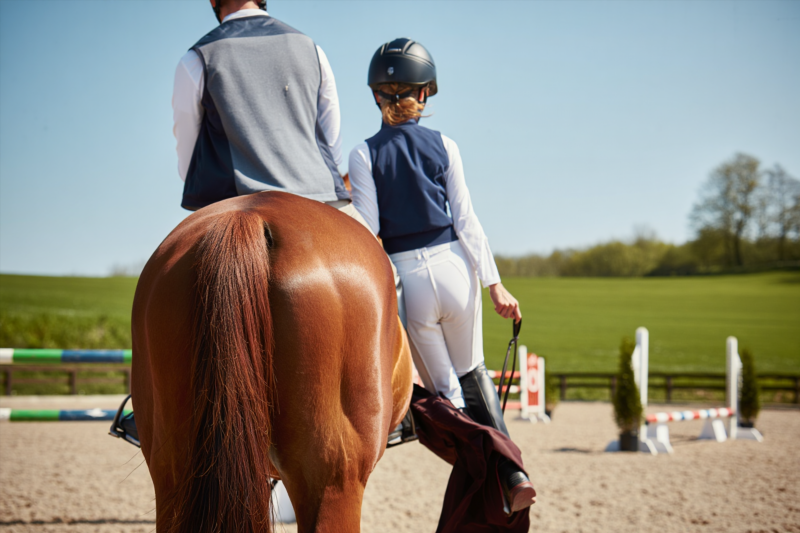
Developing strength in your horse’s back and hindquarters is essential for their overall performance, stability, and well-being. Properly strengthened muscles support the horse’s movement, reduce the risk of injury, and improve comfort and agility. However, the process requires a careful, systematic approach rooted in proven, horse-centric techniques. At EquiForge, we believe that safe, effective training combines biomechanics, rider influence, and modern stable management. This guide provides expert-approved methods to help you enhance your horse’s back and hindquarters strength, ensuring they stay healthy, confident, and ready for every arena challenge—from leisure riding to competitive pursuits.
Why Back and Hindquarter Strength Matters
Understanding the importance of back and hindquarter strength is vital before diving into training techniques.
Benefits of Proper Back and Hindquarter Strengthening
- Enhanced Stability: Strong muscles support correct posture, preventing strain and injuries.
- Improved Movement and Performance: Better power transfer leads to smoother gaits and more efficient movement.
- Injury Prevention: Robust musculature reduces the likelihood of common issues like back soreness or hind limb strain.
- Increased Confidence: A confident, balanced horse responds better to rider cues and tackles varied terrains or obstacles with resilience.
Common Challenges Without Adequate Strength
- Weakness-induced lameness
- Back discomfort or soreness
- Poor balance leading to uneven load distribution
- Hesitation or lack of confidence in different riding disciplines
Expert-Approved Techniques for Safe Back and Hindquarters Strengthening
Building muscle safely requires a blend of biomechanics, progressive training, and rider awareness. Follow these structured steps to ensure your horse’s well-being.
1. Establish a Baseline with Stable and Groundwork
Before initiating any strengthening regimen, assess your horse’s current condition.
- Veterinary Check: Rule out underlying health issues that may impact training.
- Ground Exercises: Engage in groundwork to promote body awareness and correct posture without saddle influence.
- Flexion and Suppling Drills: Improve flexibility, preparing muscles for more strenuous work.
Controlled movements stimulate muscle development progressively.
- Lateral Moves: Shoulder-in, leg-yield, and turns on the forehand encourage the hindquarters’ engagement.
- Longitudinal Stretching: Trotting and cantering over raised ground poles to promote extension and muscle activation.
- Transitions: Frequent walk-trot and trot-canter transitions foster core stability.
3. Implement Low-Impact Strengthening Exercises
Safety and patience are key.
| Exercise Type | Benefits | Tips |
| Backing Up | Engages hindquarters and builds posterior chain strength | Use gentle pressure; ensure rider maintains straight alignment |
| Hill Work | Natural resistance training for back and hind limbs | Start on gentle slopes; increase difficulty gradually |
| Lunging with Side reins or Pessoa system | Improves balance, encourages correct muscle engagement | Use elastic side reins; avoid over-tightening |
4. Incorporate Cavaletti and Pole Work
- Cavaletti Grids: Enhance coordination, flexibility, and muscle recruitment.
- Trotting Poles: Encourage lifting and strengthening of hind limbs.
5. Include Rider-Centric Posture and Balance
Proper rider posture amplifies the effectiveness of strength training.
- Maintain a centered, neutral seat
- Use biofeedback tools or mirrors to monitor posture
- Practice rider-specific exercises that improve core stability
6. Focus on Rest and Recovery
Muscles need time to adapt and strengthen.
- Allow at least 48 hours between intense sessions.
- Incorporate cool-down periods with gentle walking.
- Use massage or physiotherapy techniques if necessary.
Monitoring Progress and Adjusting the Program
Track your horse’s response through observations and periodic assessments.
Signs of Progress
- Improved gait symmetry
- Increased willingness and confidence
- Reduced signs of discomfort or soreness
When to Consult Professionals
- Persistent stiffness or soreness
- Sudden lameness
- Deviations from expected progress
Consult equine specialists, vets, and certified trainers to modify your training plan as needed.
FAQs: Your Questions About Safe Back and Hindquarters Strengthening
How long does it take to see meaningful results?
Typically, noticeable improvements occur within 4-8 weeks with consistent, correct work. Patience and adherence to expert techniques are crucial.
Can I overdo it and cause harm?
Absolutely. Overexertion can lead to strain or injury. Always prioritize gradual progression and observe your horse’s responses closely.
Are there specific supplements or feeds to support back muscle development?
While nutrition plays a vital role, focus on a balanced diet tailored to your horse’s workload. Consult your veterinarian for personalized recommendations.
How does rider influence impact strength development?
A balanced, correct seat ensures even load distribution, maximizing muscle engagement and reducing compensatory movements that could hinder safe strengthening.
Safely building your horse’s back and hindquarters strength is a foundational aspect of responsible equestrian management. Combining expert-approved exercises, biomechanics, and rider awareness sets the stage for a resilient, healthy, and confident horse. Remember to progress gradually, monitor your horse’s response, and seek professional guidance when needed. At EquiForge, we’re committed to providing you with structured, practical knowledge to thrive in every arena—whether on leisure trails or at elite competitions. Ride with confidence, build trust through care, and watch your horse reach new heights of performance and well-being.
Ready to elevate your training? Contact EquiForge today for personalized strategies, expert advice, and the latest insights into modern stable management and horse biomechanics.