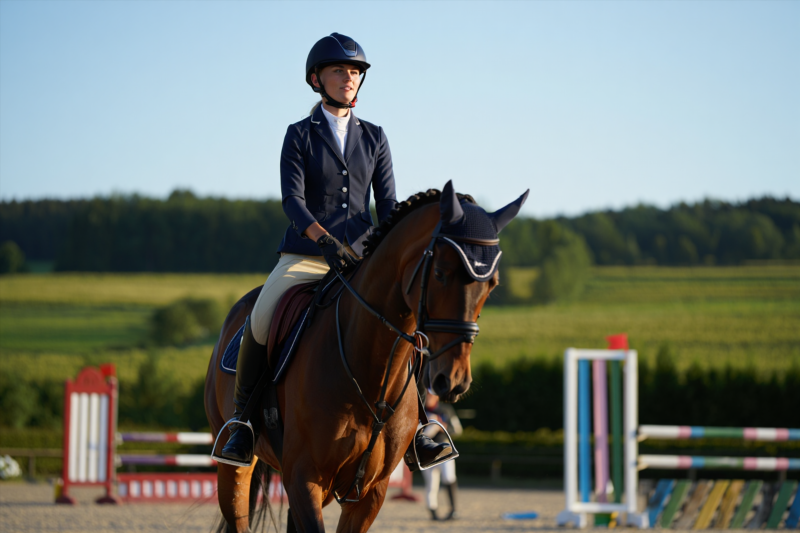
Transitioning from casual riding to competitive equestrian sport is an exciting journey that requires strategic planning, expert guidance, and consistent training. Whether you’re a passionate rider aiming for show jumping, dressage, or eventing, reaching this milestone involves understanding key principles of advanced riding techniques, equine care, and mental preparation. This article provides comprehensive insights and practical steps to help you make a confident and successful leap into the competitive arena.
Understanding the Transition: From Leisure to Level-Up
Moving beyond leisure riding means shifting your focus from enjoyment to achievement, precision, and consistency. It’s essential to recognize that this transition isn’t just about improving riding skills—it involves cultivating a deeper connection with your horse, mastering competition-specific techniques, and adopting structured training routines.
Why Make the Transition?
- Enhance Riding Skills: Develop greater control, balance, and finesse.
- Build Confidence: Prepare psychologically for the demands of competition.
- Deepen Equine Knowledge: Improve horse biomechanics and health management.
- Achieve Personal Goals: Fulfill ambitions and enjoy the thrill of competition.
Step 1: Set Clear Goals and Develop a Strategic Plan
Successful advancement begins with goal setting. Define what you want to achieve—whether it’s mastering show jumping, excelling in dressage, or participating in local events. Clear objectives help tailor your training and track progress.
How to Establish Effective Goals:
- Short-term goals: Improve specific skills like canter transitions or rider position.
- Long-term goals: Qualify for regional competitions or earn a certain score.
- SMART Goals: Make goals Specific, Measurable, Achievable, Relevant, and Time-bound.
Creating a Roadmap:
| Stage | Focus Areas | Timeline |
| Initial Phase | Basic skills & routines | 3-6 months |
| Intermediate Phase | Introducing competition protocols | 6-12 months |
| Advanced Phase | Mock competitions & refinement | 12+ months |
Step 2: Invest in Expert-Guided Training and Education
Progressing smoothly hinges on professional guidance. Engage experienced trainers who can analyze your riding biomechanics, optimize your horse’s performance, and develop tailored training regimes.
Key Areas for Training Focus:
- Rider Posture & biomechanics: Ensuring optimal communication with your horse.
- Horse biomechanics & care: Understanding equine movement and injury prevention.
- Show techniques: Familiarity with competition protocols, warm-ups, and routines.
- Psychological preparation: Building mental resilience and focus.
Why Choose Expert Guidance?
- Access to proven training strategies.
- Prevention of common mistakes that hinder progress.
- Personalized feedback tailored to your and your horse’s needs.
Step 3: Develop and Follow a Structured Training Schedule
Consistency is key. Design a progressive training plan that incorporates technical skills, conditioning, and mental training.
Components of an Effective Training Schedule:
- Technical Skills: Regular exercises targeting performance-specific movements.
- Fitness & Conditioning: Enhancing horse and rider stamina.
- Competition Simulations: Mock runs to simulate the event environment.
- Rest & Recovery: Avoiding burnout and injuries.
Practical Tips:
- Incorporate biomechanics-based warm-ups.
- Track progress via training logs.
- Adjust the intensity based on performance feedback.
Step 4: Focus on Equine Care and Biomechanics
Your horse’s health and biomechanics directly affect performance. Invest in proper saddle fitting, feeding systems, and injury prevention strategies.
Key Factors in Equine Biomechanics and Care:
- Saddle Fitting: Ensures comfort and optimal movement.
- Feeding Systems: Proper nutrition to support increased activity.
- Injury Prevention: Regular vet check-ups, physiotherapy, and appropriate conditioning.
- Breeding Insights: Acknowledge genetic predispositions that influence performance traits.
Step 5: Gain Competition Experience and Build Confidence
Participating in local shows and small events is an invaluable step toward higher-level competitions. Each event provides learning opportunities, helping you and your horse adapt to the competitive environment.
Tips for Success in Competitions:
- Practice proper warm-up routines.
- Study the event rules and protocols.
- Maintain a positive mindset.
- Collect feedback from judges and experienced riders.
FAQs About Transitioning to Competitive Riding
How long does it typically take to move from recreational to competitive riding?
The timeline varies depending on individual skills, horse readiness, and commitment. Generally, expect 6 months to several years of dedicated training to reach competition readiness.
What are common challenges faced during the transition?
- Building confidence under pressure.
- Developing a consistent riding routine.
- Ensuring the horse’s physical and mental preparedness.
- Navigating competition logistics and rules.
How can I assess if my horse is ready for competition?
Your horse should display confident movement, responsiveness, and sound health during training. Working with an equine biomechanical expert or veterinarian can provide a professional assessment.
Final Thoughts: Building Your Path to Success in Equestrian Sport
Transitioning from recreational riding to competitive sport is a rewarding process that combines expert knowledge, structured planning, and dedication. Embrace continuous learning, leverage biomechanics insights, and cultivate a resilient mindset. With each step built on a solid foundation, you will ride with confidence, build trust with your horse, and thrive in every arena — from leisure trails to top-tier competitions.
Start your journey today — unlock your potential with EquiForge’s expert guidance and practical tools to achieve equestrian excellence!