How to Prevent Sport Horse Injuries Effectively
In the world of equestrian sports, the health and well-being of your horse are paramount. Sport horses excel in activities like show jumping, dressage, and eventing, but they are also susceptible to injury, particularly tendons, back, and joints. Preventing these injuries not only prolongs your horse’s career but also enhances performance and fosters a stronger bond between rider and horse. At EquiForge, we understand that injury prevention is a cornerstone of advanced horse training and modern stable management. In this article, we explore proven strategies to safeguard your sport horse’s musculoskeletal health and keep them riding at their best.
Understanding Common Injuries in Sport Horses
Before diving into prevention strategies, it’s crucial to understand the typical injuries affecting sport horses:
- Tendon Injuries: Often caused by overexertion, improper warm-up, or poor conditioning, tendinitis and tendinosis affect the superficial and deep digital flexor tendons.
- Back Injuries: Result from poor riding posture, incorrect saddle fit, or repetitive stress; they can lead to muscular strain, ligament damage, or vertebral issues.
- Joint Problems: Wear and tear on hock, fetlock, or stifle joints due to intense training or inadequate recovery can cause osteoarthritis or ligament injuries.
Key Strategies for Preventing Tendon, Back, and Joint Injuries
Implementing a holistic approach emphasizes prevention through proper training, management, and proactive health practices.
1. Optimize Training Regimens
- Gradual Conditioning: Build strength and endurance gradually to avoid overstress on tendons and joints. Incorporate varied gait work, hill work, and intersperse rest days.
- Cross-Training: Use different activities to avoid repetitive stress—include lunging, swimming, or free jumpers to reduce joint impact.
- Appropriate Warm-ups and Cool-downs: Allocate sufficient time to gradually increase and decrease activity levels, preparing tissues for work and aiding recovery.
2. Ensure Proper Equipment and Fit
- Saddle Fitting: An ill-fitting saddle can cause back pain and uneven pressure distribution. Regular professional assessments are essential.
- Hoof and Shoe Care: Proper trimming and shoeing keep tendons and joints aligned, reducing undue strain.
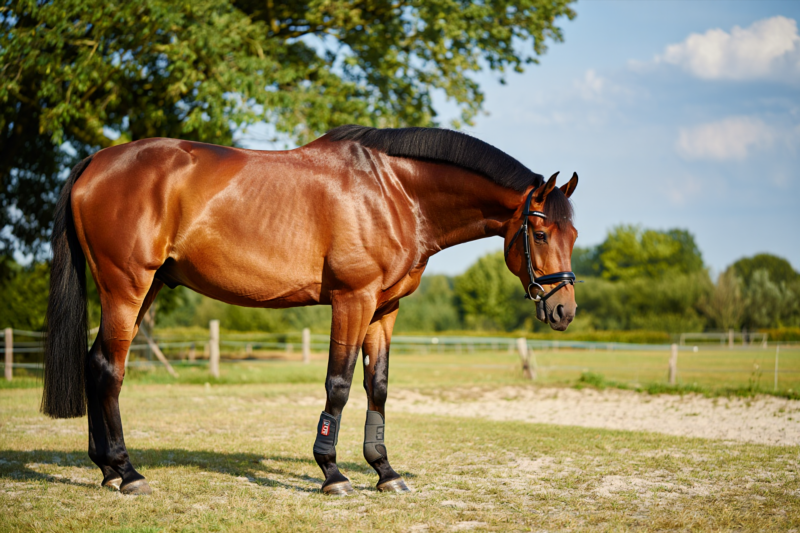
- Use of Supportive Devices: Tendon boots, bell boots, and back supports can prevent trauma during training and competition.
3. Focus on Nutrition and Feeding Systems
- Balanced Diet: Support joint and tissue health with appropriate levels of amino acids, omega-3 fatty acids, and antioxidants.
- Supplements: Incorporate joint support formulas containing glucosamine, chondroitin, and MSM to promote cartilage health and reduce inflammation.
- Hydration: Adequate water intake is vital for tissue elasticity and overall performance.
4. Prioritize Biomechanics and Rider Posture
- Correct Riding Technique: Proper rider posture reduces impact on the horse’s back and joints.
- Biomechanical Assessments: Regular analysis can identify asymmetries or movement issues, allowing targeted correction.
- Training for Flexibility and Strength: Enhance your horse’s core stability and elasticity to absorb shocks better.
5. Implement Injury Prevention and Recovery Protocols
- Regular Veterinary Checks: Routine health assessments catch early signs of strain or injury.
- Physiotherapy and Massage: Keep soft tissues supple and promote blood flow, reducing injury risk.
- Rest and Recovery: Incorporate planned downtime and carefully manage training intensity after illness or injury.
Practical Tools and Techniques
| Technique | Purpose | Effectiveness | Implementation Tips |
| Cold Therapy | Reduce inflammation | High | Use cold hosing or ice boots after intense exercise |
| Stretching | Improve flexibility | Moderate | Incorporate gentle stretching routines pre- and post-training |
| Ultrasound Therapy | Accelerate healing | High | Consult professionals for targeted treatments |
| Proper Footing | Minimize impact | High | Maintain a safe, even arena surface |
Addressing Common Reader Questions
How often should I have my horse’s saddle checked?
Answer: Ideally, every 6-12 months, or after significant weight changes, health issues, or noticeable discomfort.
What are the signs of tendon or joint injury?
Answer: Swelling, heat, decreased performance, stiffness, or abnormal gait are warning signs that require prompt veterinary assessment.
Can training intensity be adjusted for preventions?
Answer: Absolutely. Tailoring training to your horse’s fitness level and incorporating rest days significantly reduces injury risk.
Preventing tendon, back, and joint injuries in sport horses demands an integrated approach rooted in expert knowledge, biomechanical understanding, and proactive management. By focusing on optimal training, proper equipment, nutrition, biomechanics, and recovery protocols, you ensure your horse stays healthy, confident, and at peak performance. Whether you’re aiming for success at elite competitions or simply enjoying leisure rides, implementing these injury prevention strategies will help your horse thrive across every arena.
Take Action Today: Schedule a comprehensive health assessment with your veterinarian and biomechanics specialist to tailor an injury prevention plan suited to your horse’s needs. Stay proactive, and see the difference in their performance and longevity.
*For more expert guidance on equestrian training, biomechanics, and stable management, explore EquiForge’s structured guidance and practical tools to elevate your equestrian journey.*