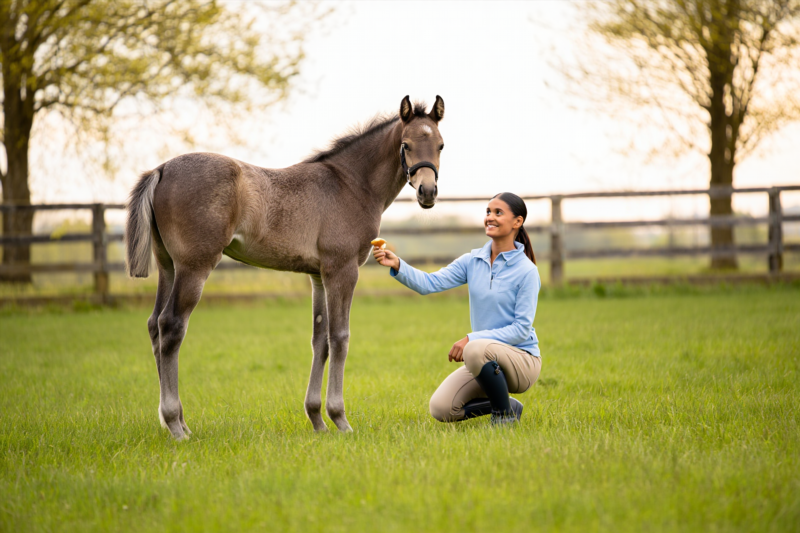
Establishing trust with a young or nervous horse is a foundational skill every rider, trainer, and horse owner must master. When a horse feels secure and confident in its environment and handler, the results are safer, more harmonious, and ultimately more successful riding experiences. Whether you’re working with a timid filly or a nervous colt, understanding how to build trust can transform the horse’s attitude and performance.
In this article, we will explore proven techniques rooted in equestrian psychology, biomechanics, and modern training principles that help foster confidence and create a resilient bond with even the most hesitant horses. These strategies not only promote safety but also lay the groundwork for a positive, trusting partnership that can thrive from leisure riding to competitive arenas.
Understanding the Nervous Young Horse: Key Insights
Before diving into specific techniques, it’s crucial to understand what prompts nervousness in young horses and how to address their concerns effectively.
Common Causes of Nervousness
- Lack of socialization and exposure: Limited experiences can cause fear of new objects or environments.
- Previous trauma or negative encounters: Past handling or riding experiences might lead to insecurity.
- Instinctive self-preservation: Horses are prey animals, naturally wary of threats.
- Poor handling or inconsistent training: Confusing cues or rough handling erode trust.
The Importance of Building Trust
A well-established trust reduces flight responses, improves focus, and fosters a cooperative attitude — essential for riding, training, and stable management. Approaching this process with patience and understanding is key to success.
Proven Techniques to Foster Trust and Confidence
1. Create a Calm, Consistent Environment
Establishing a sense of safety is the first step.
- Use consistent routines and signals.
- Minimize sudden movements and loud noises.
- Offer a predictable daily schedule to reduce anxiety.
Why it works: Horses thrive on predictability, which alleviates uncertainty and promotes relaxation.
2. Use Gentle, Positive Reinforcement
Reward calm behavior to reinforce trust.
- Offer treats, petting, or verbal praise when the horse approaches or remains relaxed.
- Gradually introduce new stimuli, pairing them with positive experiences.
- Avoid punishment or harsh corrections, which can damage trust.
Why it works: Reinforcement creates a positive association and encourages the horse to seek your approval.
3. Build Desensitization Carefully and Gradually
Expose the horse to new objects or situations in a controlled manner.
- Start with small, non-threatening exposures.
- Use touch, sound, and visual stimuli in a step-by-step process.
- Pair desensitization with calm cues and patience.
Problem-solving tip: Always observe the horse’s body language. Back off if signs of stress appear, and proceed slowly.
4. Develop a Routine of Groundwork and Respectful Handling
Building respect and communication on the ground sets the stage for trust under saddle.
- Engage in grooming, leading, and lunging exercises.
- Use clear, consistent cues that the horse can understand.
- Practice yielding, leading, and liberty work to reinforce cooperation.
Outcome: A confident horse that trusts your leadership and understands boundaries.
5. Use Proper Equipment and Fit
Comfort prevents discomfort-related anxiety.
- Ensure tack fits correctly and is adjusted properly.
- Use soft, non-irritating materials.
- Introduce equipment gradually, ensuring the horse tolerates it well.
Impact: Comfortable gear reduces resistance and enhances trust.
Practical Tips for Success
| Technique | Purpose | Tips for Implementation |
| Groundwork exercises | Builds respect, communication, and confidence | Incorporate lunging, leading, and yielding exercises daily |
| Short, positive sessions | Avoid overwhelming the horse | Keep training sessions brief and focused, ending on success |
| Patience and consistency | Fosters predictability and safety | Stick to routines, and remain calm and steady |
| Controlled exposure | Desensitization and confidence | Introduce new stimuli gradually, observing cues |
| Trust-building activities | Strengthens bond | Activities like grooming, hand-feeding treats, or gentle grooming sessions |
Common Questions About Building Trust with Nervous Horses
How long does it take to build trust with a nervous young horse?
Patience is key. The timeline varies depending on the horse’s temperament, prior experiences, and handler consistency. Some horses respond in weeks; others may take months. Consistency and positive experiences accelerate progress.
What are signs that my horse is starting to trust me?
- Approaching you willingly
- Relaxed body language
- Eagerness to engage in grooming or groundwork
- Reduced flight responses
- Calm responses to new stimuli or handling
How do I handle setbacks or setbacks during training?
Remain calm and patient. Identify triggers or stress points, and revisit desensitization or groundwork. Break tasks into smaller steps, and celebrate small successes.
Building trust with a nervous young horse requires patience, understanding, and a strategic approach rooted in respect and positive reinforcement. By creating a predictable environment, desensitizing gradually, and employing respectful handling, you lay the foundation for a harmonious partnership that will serve you through every riding adventure.
Remember, every horse is unique. Tailoring your approach to fit the individual personality of your horse ensures not just faster progress but a stronger, more resilient bond. With consistent effort, your young or anxious horse will transform into a confident, trusting companion—ready to thrive in every arena, from relaxed trail rides to top-tier competitions.
Ready to deepen your understanding and master these techniques? Explore our expert guides and resources at EquiForge. Unlock the full potential of your partnership with your horse today!