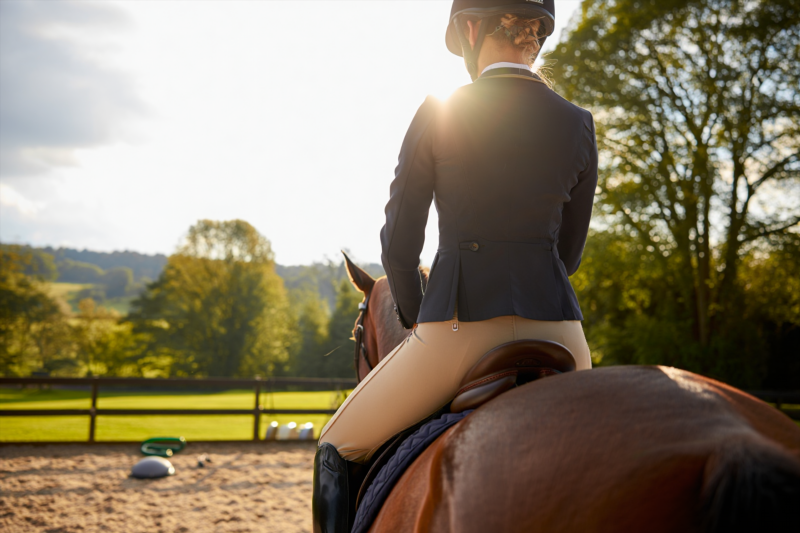
In the world of modern equestrian sports and leisure riding, the rider’s seat stability is paramount. It influences communication with the horse, overall performance, and rider confidence. At the core of a stable seat lies core strength—the deep muscles of the abdomen, back, and pelvis that provide balance, control, and endurance. Whether you’re a competitive show jumper, a dressage rider, or a passionate enthusiast enjoying trail rides, enhancing your core stability directly translates into increased riding efficiency and safety.
Why Core Stability Matters in Equestrian Performance
The Role of the Core in Riding
Your core acts as the central link between your upper and lower body, acting like a stabilizing engine that maintains your posture and movement harmony. A strong core:
- Improves seat control and reduces unnecessary movement
- Enables better posture alignment, crucial during complex maneuvers
- Enhances balance over the horse, especially on uneven terrain or during rapid transitions
- Helps prevent riding-related injuries by distributing physical loads effectively
Impact on Horse-Rider Communication
A rider with a stable core communicates more clearly through subtle shifts in weight and aids. This precise signaling fosters trust and harmony with the horse, leading to better performance whether on show jumping courses or in dressage arenas.
How Core Stability Enhances Seat Control
1. Better Balance and Posture
An engaged core keeps your position centered and balanced, preventing sway or unintentional shifts that can confuse or unseat your horse. It allows for:
- Maintained vertical alignment during varied gaits
- Reduced fatigue during long rides or demanding routines
- Consistent position that adapts smoothly to changes in terrain or exercises
2. Increased Aerial and Ground Stability
A strong core anchors your pelvis, enabling dynamic stability during jumps or quick transitions. It helps maintain confidence when:
- Landing from jumps
- Performing lateral movements
- Executing complex dressage figures
3. Enhanced Rider Confidence and Communication
With improved seat stability, riders experience a natural sense of control. This psychological benefit reduces anxiety, allowing for more intuitive riding and better connection with your horse.
Practical Exercises to Strengthen Your Core for Better Riding
Incorporating targeted core exercises into your training routine is crucial. Here are some effective methods:
Core Strengthening Exercises
| Exercise | Focus Area | Key Benefits | Tips for Riders |
| Plank | Abdominal, back | Builds overall core endurance | Maintain a straight line from head to heels, avoid sagging hips |
| Bridge | Glutes, lower back | Improves pelvic stability | Press heels into the ground, lift hips evenly |
| Russian Twists | Obliques | Enhances rotational control | Keep spine neutral, perform slowly for control |
| Bird Dog | Deep stabilizers | Promotes coordination & balance | Engage core, avoid compensatory movements |
| Leg Raises | Lower abs | Develops lower abdominal strength | Keep movements controlled, avoid arching the lower back |
Incorporating Core Work into Your Routine
- Consistency is key: Aim for 3-4 sessions per week
- Progress gradually: Increase duration or repetitions over time
- Combine with riding drills: Practice engaging your core actively during mounted exercises
Integrating Core Stability into Your Riding Practice
On the Ground
- Use balancing exercises on stability balls or balance discs to develop proprioception.
- Practice postural awareness with mirror feedback during stretching or strength routines.
Under Saddle
- Focus on engaging your core before and during exercises
- Incorporate moves that challenge your stability, such as transitions, circles, or lateral work
- Seek feedback from trainers to refine your seat and core engagement
Frequently Asked Questions (FAQs)
How long does it take to improve core stability for riding?
Typically, noticeable improvements can be seen within 4-6 weeks with consistent exercise. Advanced benefits come with continued practice and integration into riding routines.
Can poor core strength cause riding injuries?
Absolutely. Weak core muscles can lead to poor posture, muscle fatigue, and strain on joints, increasing injury risk. Strengthening your core is a preventive measure, promoting longevity and enjoyment in riding.
Are there special training tools that help improve core strength?
Yes. Tools like balance balls, resistance bands, and Pilates equipment can enhance core workouts. However, bodyweight exercises are effective and accessible for most riders.
Final Thoughts: Building a Strong Core for Superior Riding
Enhanced core stability is a game-changer for riders seeking to boost seat control, improve performance, and elevate confidence in every aspect of riding. By committing to targeted strength exercises and mindful riding techniques, you lay a solid foundation that benefits both you and your horse.
Start today: integrate a core-focused workout into your training regimen and experience the difference in your riding results. Remember, a powerful core doesn’t just improve your posture—it unlocks your full riding potential.
Take action now:
- Download our free Core Strength Rider Checklist
- Join our Expert-Led Core Conditioning Program for Riders
- Bookmark this page for regular exercises and riding tips
Your journey to a more stable, confident seat begins with a strong core—unlock your riding mastery today!