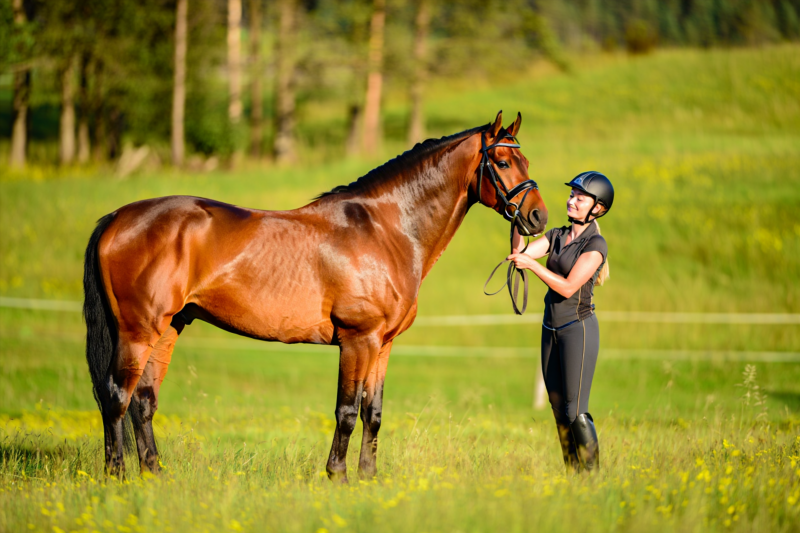
Understanding a horse’s personality is fundamental to developing effective training methods and selecting the right discipline. EquiForge delves into the intricate relationship between horse temperament and training success, offering insights that help riders, trainers, and enthusiasts tailor approaches for optimal results. Recognizing these traits not only enhances performance but also fosters a harmonious partnership built on trust, communication, and respect.
Why Horse Personality Matters in Training
Every horse is an individual with unique behavioral tendencies shaped by genetics, environment, and past experiences. Their personality influences how they perceive training, respond to cues, and adapt to different disciplines. Ignoring these innate traits can lead to frustration, compromised safety, and limited progress. Conversely, aligning training strategies with a horse’s personality promotes confidence, minimizes stress, and accelerates skill development.
The Psychological Foundation of Horse Training
Behavioral science shows that understanding an animal’s natural tendencies allows for more effective communication. When trainers recognize whether a horse is naturally confident or cautious, dominant or submissive, they can adapt their techniques accordingly. This personalized approach not only improves results but also deepens the bond between horse and rider.
Common Horse Personalities and Corresponding Training Approaches
Below is a table illustrating typical horse personalities and suitable training methods. This classification provides a foundation for choosing disciplines and techniques that resonate with each horse’s character.
| Horse Personality Type | Key Traits | Recommended Training Approach | Suitable Disciplines |
| The Confident Leader | Bold, assertive, curious | Use leadership training, establish clear boundaries | Show jumping, eventing, trail riding |
| The Sensitive Spirit | Nervous, reactive, empathetic | Gentle, patience-based methods, positive reinforcement | Dressage, therapeutic riding, endurance |
| The Independent Thinker | Curious, self-reliant, stubborn | Consistent routines, problem-solving exercises | Trail riding, natural horsemanship |
| The Cautious Avoider | Fearful, hesitant, cautious | Gradual exposure, calming techniques | Introductory riding, clicker training |
| The Dominant Horse | Assertive, territorial | Leadership over control, clear communication | Advanced dressage, competitive riding |
How to Identify Your Horse’s Personality
Understanding your horse’s personality involves observation, patience, and experience. Here are practical steps:
- Observe Behavior in Different Settings: Notice how your horse reacts to new environments, different riders, or unfamiliar stimuli.
- Monitor Response to Training Cues: Is your horse eager or hesitant? Does it want to lead or follow?
- Assess Social Interactions: How does your horse behave with other horses? Is it dominant or submissive?
- Use Video Recordings: Reviewing footage can reveal subtle behavioral patterns often missed in real-time.
Tailoring Your Training for Better Results
Aligning training with your horse’s personality maximizes engagement and reduces resistance. Here are essential strategies:
For Confident Horses
- Incorporate more advanced exercises early on to maintain mental stimulation.
- Use leadership to foster respect and discipline.
- Gradually introduce competition scenarios to channel confidence positively.
For Sensitive Horses
- Employ calm, patient, and consistent techniques.
- Use positive reinforcement to build trust.
- Incorporate relaxation methods such as massage or groundwork.
For Independent or Stubborn Horses
- Use problem-solving and clicker training to engage their curiosity.
- Break down tasks into manageable steps to prevent frustration.
- Establish clear boundaries and routines for consistency.
For Cautious or Fearful Horses
- Progress slowly, respecting their comfort zone.
- Use desensitization techniques to build confidence.
- Offer treats and praise to reinforce positive behavior.
Selecting the Right Discipline Based on Horse Personality
Discipline choice should reflect both your goals and your horse’s natural inclinations. Here are recommendations based on personality traits:
| Horse Personality | Suitable Disciplines | Why It Fits |
| Confident, Bold | Show jumping, eventing, trail riding | Energetic, thrives on challenge and adventure |
| Sensitive, Nervous | Dressage, therapeutic riding, endurance | Benefits from precision, patience, and calm environments |
| Independent, Curious | Natural horsemanship, trail exploration | Appreciates problem-solving and independence |
| Cautious, Hesitant | Introductory riding, groundwork, clicker training | Needs gentle, gradual exposure to build trust |
| Dominant, Assertive | Advanced dressage, competitive riding | Seeks leadership roles and mental engagement |
Expert Tips to Improve Your Horse’s Training Experience
- Personalize Training Plans: Always adapt your approach based on ongoing behavioral observations.
- Maintain Consistency: This builds trust and reduces confusion for your horse.
- Prioritize Communication: Use clear cues and positive reinforcement to foster understanding.
- Respect Individual Limits: Pushing a hesitant or sensitive horse can lead to setbacks.
- Invest in Education: Continually learn about equine psychology to refine your methods.
Frequently Asked Questions
How do I figure out my horse’s personality traits?
Spend time observing your horse in different situations, noting their reactions to new stimuli, training cues, and social interactions. Consulting an experienced trainer or equine behaviorist can provide additional insights.
Can a horse’s personality change over time?
Yes, with proper handling, a supportive environment, and training techniques aligned with their needs, a horse’s confidence and behavior can evolve. However, core personality traits tend to be stable.
How does understanding horse personality improve discipline selection?
Matching a horse’s personality to a suitable discipline enhances engagement, safety, and enjoyment for both horse and rider. It reduces frustration and promotes faster progress.
Is it possible to train different disciplines on the same horse?
Absolutely. Recognizing your horse’s personality helps to identify compatible disciplines and adapt training for multi-discipline development, ensuring a balanced, confident horse.
At the heart of effective equestrian training lies awareness of your horse’s personality. By recognizing individual traits and tailoring your methods accordingly, you can cultivate a confident, happy, and responsive equine partner. Whether aiming for competitive success or leisure enjoyment, aligning training strategies with innate horse traits fosters trust, reduces stress, and unlocks your horse’s full potential.
Discover more expert insights and practical tools at EquiForge, your comprehensive platform for advanced horse training, riding technique, and modern stable management. Invest in understanding your horse today for a thriving, harmonious partnership tomorrow.