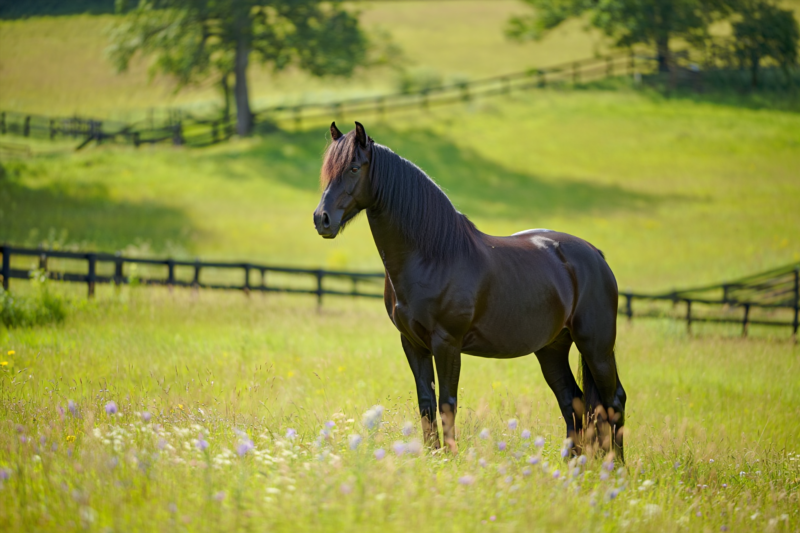
Choosing the perfect horse breed is a pivotal step in achieving your riding ambitions. Whether you’re dreaming of competitive show jumping, elegant dressage performances, trail riding, or casual leisure, the right breed will serve as a trusted partner and catalyst for success. At EquiForge, we understand that selecting a horse is more than just aesthetics—it’s about aligning your goals with the horse’s temperament, physical build, and innate skills. This comprehensive guide provides expert insights and practical tips to help you make an informed decision confidently.
Understanding Your Riding Goals: The Foundation of Breed Selection
Before delving into breed specifics, clarify your riding objectives. Your goals will influence the traits you need in a horse:
- Recreational riding and leisure trails
- Performance disciplines (dressage, jumping, eventing)
- Competitive sports (show jumping, dressage, Western riding)
- Therapeutic riding
- Breeding programs
*Table 1: Common Riding Goals and Corresponding Horse Traits*
| Riding Goal | Key Horse Traits | Example Breeds |
| Leisure & Trail Riding | Calm temperament, good stamina, easygoing nature | Quarter Horse, Morgan, Appaloosa |
| Dressage & Precision Riding | Fine movement, responsiveness, elegance | Dutch Warmblood, Hanoverian |
| Show Jumping & Eventing | Athleticism, agility, quick reflexes | Selle Français, Irish Sport Horse |
| Western & Ranch Work | Strong build, strong work ethic, steady disposition | Quarter Horse, Paint Horse |
| Breeding & Genetics | Specific physical traits, breeding lineage | Various breeds based on genetic qualities |
Essential Factors in Horse Breed Selection
Identifying the right breed involves evaluating several core aspects. Here’s what to consider:
1. Temperament and Disposition
Your connection with your horse begins with trust. For beginners or those seeking a relaxed, manageable ride, breeds known for calmness and patience, like the Morgan or the Quarter Horse, are ideal. Advanced riders may prefer breeds with higher energy and responsiveness.
2. Physical Build and Size
The horse’s size should match your body type and riding purpose:
- Height: Typically measured in hands; taller riders need larger horses (over 16 hands).
- Conformation: A strong back and limbs for jumping; agile build for dressage.
- Age: Generally, younger horses (3-7 years) are suitable for training; older horses may have more calmness but require health considerations.
3. Movement and Gait
Discipline-specific movement is crucial. For example:
- Dressage requires expressive, fluid movements.
- Jumping demands balance, agility, and power.
- Trail riding benefits from smooth, comfortable gait.
4. Breed Temperament and Work Ethic
Some breeds have a reputation for being particularly docile or energetic. Ensure the breed’s personality aligns with your riding style and experience level.
5. Maintenance and Care Needs
Consider the breed’s grooming, feeding, and healthcare requirements. Some breeds have specific needs—for example, coats that need regular grooming or high-calorie diets.
Expert Tips for Making Your Final Choice
- Visit Multiple Breeders or Shelters: Observe the horses in their habitat to assess temperament.
- Engage with Experienced Riders and Trainers: Their insights can illuminate breed-specific traits.
- Assess Compatibility with Your Skill Level: An overly spirited breed might overwhelm a beginner.
- Prioritize Health and Lineage: Choose reputable sources that provide health clearances and pedigree information.
- Test Ride: Whenever possible, ride different breeds to experience firsthand how they respond.
Common Questions About Horse Breed Selection
Q: Can I train any breed for my chosen discipline?
A: While many breeds can be trained for various disciplines, some are naturally predisposed. For example, Warmbloods excel in dressage, while Quarter Horses are top performers in Western riding. Select a breed with innate traits aligned with your goals for higher success and enjoyment.
Q: How important is the horse’s age?
A: Age influences trainability and energy levels. Younger horses (3-7 years) are generally more adaptable but require more training. Older horses may have experience and calmer temperaments but might have health issues.
Q: Is it better to buy a foal or a trained horse?
A: It depends on your experience and goals. Beginners may benefit from a trained horse to build confidence. Experienced riders looking to mold a horse to their style may prefer a foal or young horse.
Final Thoughts: Building a Partnership for Success
Choosing the right horse breed isn’t just about matching physical attributes; it’s about forging a partnership rooted in understanding your riding ambitions and the horse’s innate qualities. At EquiForge, we empower riders and enthusiasts with structured guidance, expert insights, and practical tools to make confident decisions.
By aligning your goals with a compatible breed, you lay a solid foundation for riding confidence, trust, and success—whether you’re leisurely exploring trails or competing at the highest level. Remember, the journey to the perfect partnership begins with informed choices. Ride with confidence, thrive in every arena, and let your horse be the ultimate catalyst for your equestrian dreams.
Take Action
Ready to find your ideal riding partner? Explore our expert resources, connect with trusted breeders, or consult with professional trainers through EquiForge’s comprehensive platform. Your perfect horse awaits—start your journey today!