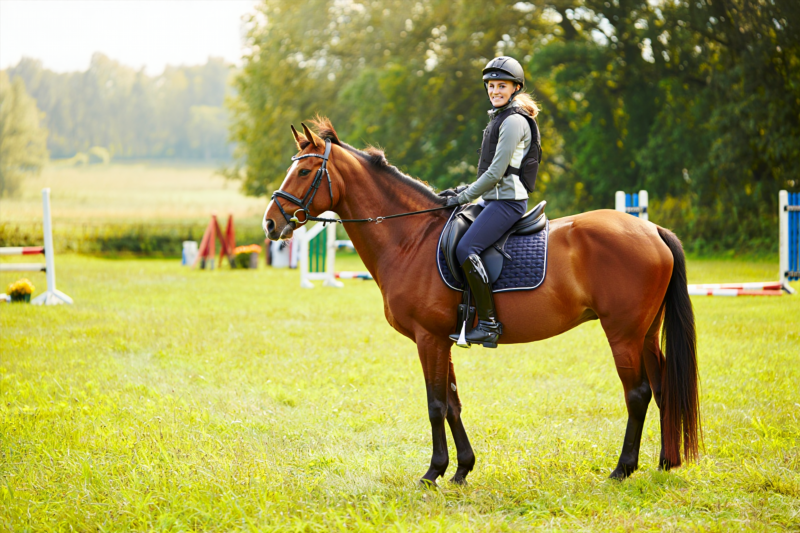
Embarking on your equestrian journey is an exciting adventure filled with milestones that mark your growth and achievements. Whether you’re a beginner preparing for your first ride or an experienced rider aiming for your first show, understanding the key stages of progress can help you set realistic goals and stay motivated. At EquiForge, we believe that successful riding is rooted in knowledge, patience, and strategic planning. This comprehensive guide will walk you through the essential milestones from your first ride to your first show, providing expert tips to help you excel at every step.
Understanding the Journey: From First Ride to First Show
Every equestrian journey is unique, but there are common milestones that serve as markers of progress. Knowing what to expect helps you prepare mentally and physically, ensuring a smoother transition from novice to confident competitor.
The Importance of Setting Realistic Expectations
Setting achievable goals prevents frustration and promotes steady improvement. Recognize that mastery takes time; celebrate small victories along the way. Here’s why clarity about milestones matters:
- Maintains motivation
- Builds confidence gradually
- Ensures safe and correct development
Key Milestones in the First Ride to First Show Progression
1. First Ride and Fundamental Groundwork
What to Expect:
- Basic understanding of horse behavior
- Learning to lead, tie, and groom
- Familiarity with equipment and safety procedures
Expert Tips:
- Focus on building trust with your horse
- Practice consistent, calm handling routines
- Use groundwork exercises to develop communication
2. Initial Saddle and Riding Sessions
Goals:
- Achieve comfort and balance in the saddle
- Introduce basic commands (walk, halt, slow, turn)
- Develop a steady seat and coordination
Expectations:
- Minor apprehension may occur
- Developing feel for horse’s responses
- Routine practice enhances muscle memory
Pro Tip:
Incorporate riding biomechanics principles—such as rider posture and weight distribution—to maximize comfort and effectiveness.
3. Progressing to Basic Maneuvers
Milestones:
- Walking over ground poles or small obstacles
- Transitions between gait states
- Reinforcing consistent communication
Outcome:
Building a foundation for more advanced training, and understanding your horse’s responsiveness.
Activities:
- Trail riding
- Navigating different footing types
- Exposure to calm outdoor settings
Benefits:
- Improves horse confidence
- Enhances rider adaptability
- Prepares for the unpredictability of competitions
5. Formal Training and Consistent Practice
Components:
- Scheduling regular lessons with a qualified trainer
- Refining riding position and aids
- Addressing behavioral issues and fine-tuning responsiveness
Expected Results:
- Increased harmony and trust
- Improved riding skills and stability
- Better preparedness for show conditions
6. Preparing for Competition
Checklist:
- Understanding show rules and etiquette
- Grooming and tack preparation
- Practice rides in similar settings
Expert Advice:
Integrate biomechanics and rider psychology—such as breathing techniques—to reduce anxiety and enhance performance.
7. The First Show Day
Milestones:
- Approaching with confidence and calm
- Correctly executing your test or course
- Managing nerves and unexpected events
Success Tips:
- Have a detailed plan with your trainer
- Stick to your routine
- Focus on your connection with your horse
What to Expect in Terms of Progress and Timeframes
| Milestone | Approximate Timeframe | Tips for Success |
| First Ride & Groundwork | Week 1–3 | Patience and gentle handling |
| Basic Riding Skills | Month 1–3 | Consistent practice, focus on biomechanics |
| Developing Confidence & Control | 3–6 months | Gradual increase in difficulty, maintain a calm mindset |
| Introducing Obstacles & Terrain | 6 months–1 year | Exposure and positive reinforcement |
| Ready for Local Shows | 1 year+ | Fully prepared with groundwork, riding, grooming, and mindset |
*Note: Timeframes vary based on individual aptitude, horse temperament, and training consistency.*
Frequently Asked Questions (FAQs)
How long does it typically take to go from first ride to first show?
Answer: On average, dedicated riders can expect around 1 to 2 years of consistent training to confidently compete at local shows. However, this varies depending on dedication, riding frequency, and natural aptitude.
What are the most common challenges faced during this progression?
Answer: Common challenges include building rider confidence, establishing clear communication with the horse, managing nerves during competitions, and adapting to new environments. Partnering with experienced trainers and maintaining a positive mindset are crucial.
How can I stay motivated during slow progress?
Answer: Celebrate small achievements, monitor your progress with a training journal, and set specific, measurable goals. Remember, perseverance and patience are key in the equestrian journey.
Understanding the milestones from your first ride to your first show allows you to set realistic expectations and develop a road map for success. At EquiForge, we emphasize a structured approach grounded in biomechanics, rider psychology, and proven training principles. Whether you’re trail riding for leisure or aiming for the competitive arena, each step forward is a testament to your dedication and love for horses.
Begin today: Enrich your training with expert tips, stay consistent, and enjoy every moment of your equestrian progression. Your first ride to your first show is an exciting adventure—embrace it with confidence!
Ready to elevate your riding journey? Contact our trainers or explore our resources to unlock your full potential.