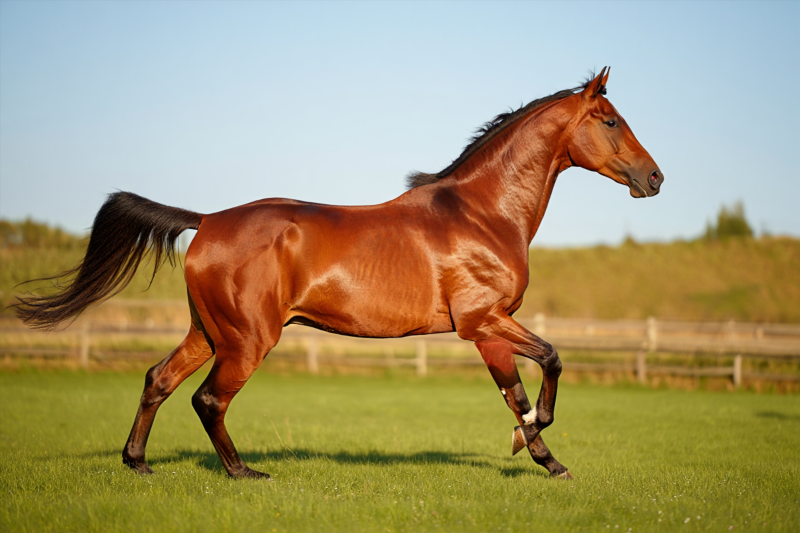
Understanding your horse’s movement is fundamental for unlocking their full competitive potential. Whether you’re aiming for excellence in show jumping, dressage, eventing, or other disciplines, the ability to evaluate your horse’s gait accurately can make the difference between good performance and championship-winning results. At EquiForge, we believe that a meticulous gait assessment is the cornerstone of tailored training, injury prevention, and overall equine success. This article explores expert techniques to evaluate your horse’s gait effectively, helping you refine your training strategies and elevate your performance in every arena.
Why Gait Evaluation Is Critical for Sport Success
Gait analysis provides insights into a horse’s biomechanics, comfort, and potential for competitive performance. Proper assessment helps identify:
- Strengths and weaknesses in movement
- Signs of lame or inconsistent gait patterns
- Imbalances that may hinder racing or jumping capabilities
- Optimal training interventions tailored to the horse’s biomechanics
- Prevention of injuries by spotting early signs of stress or strain
Understanding these elements allows riders, trainers, and breeders to make informed decisions that enhance athletic ability and durability.
How to Effectively Evaluate Your Horse’s Gait
Evaluating a horse’s gait involves a combination of visual observation, technological tools, and expert knowledge. Here’s a comprehensive, step-by-step guide:
1. Visual Observation and Basic Gait Assessment
Begin with a controlled, distraction-free environment:
- Warm-up the horse adequately to observe natural movement.
- Observe from multiple angles: front, side, and rear views.
- Pay attention to the four primary gaits: walk, trot, canter, and gallop.
Key aspects to monitor:
- Symmetry of limb movement
- Stride length and rhythm
- Engagement of hindquarters
- Flexion and extension patterns
- Any irregularities or anomalies
2. Use of Video Analysis
Record your horse’s movement from various angles:
| Software/Tools | Benefits |
| Slow-motion video | Reveals subtle asymmetries and limb interference |
| Frame-by-frame review | Precise measurement of stride length, joint flexion |
| Comparative videos | Tracks progress over training periods |
This visual data enhances your ability to spot deviations and assess gait consistency objectively.
3. Biomechanical and Gait Analysis Tools
Advanced options for precise evaluation include:
- Force plates: Measure ground reaction forces to assess limb loading.
- Motion capture systems: Offer detailed analysis of limb kinematics.
- Wearable sensors: Track limb and joint movement during different activities.
While these tools are more technical and often found in equine sports clinics, they significantly improve gait diagnostic accuracy.
4. Consult with Equine Biomechanics Experts
Collaborate with veterinarians or physiotherapists specializing in biomechanics:
- Receive professional gait scoring
- Identify subtle gait deviations that could be missed visually
- Develop targeted training or treatment plans
Expert Tips to Enhance Gait Evaluation
- Consistent Timing: Evaluate your horse under similar conditions to track genuine changes.
- Compare Across Gaits: A discrepancy in one gait may reveal issues affecting overall performance.
- Assess Flexibility and Engagement: A well-balanced gait indicates good flexibility and muscular engagement.
- Monitor for Signs of Discomfort: Limping, head bobbing, or resistance can signal pain affecting gait.
- Record Progress Regularly: Tracking gait over time helps evaluate the impact of training and interventions.
Frequently Asked Questions
How often should I evaluate my horse’s gait?
Regular assessments, ideally monthly, help detect early signs of imbalance or injury. Before major competitions or after injury, more frequent evaluations are recommended.
Can a gait analysis predict a horse’s competitive potential?
While gait analysis doesn’t guarantee success, it provides valuable insights into your horse’s biomechanics, helping tailor training for optimal performance.
What are common gait abnormalities to watch for?
- Crib-biting or irregular steps
- Lameness in specific limbs
- Shortened or uneven stride
- Persistent head bobbing
When should I seek professional help?
If you notice drastic changes, discomfort, or persistent irregularities, consult an equine veterinarian or biomechanics specialist immediately.
Evaluating your horse’s gait effectively is a strategic investment in their competitive future. By combining visual assessment, technological tools, and expert consultation, you can pinpoint movement issues, optimize training, and prevent injuries. At EquiForge, we equip riders, trainers, and breeders with the knowledge and practical guidance needed to unlock your horse’s sport potential. Start your gait assessment today—your horse’s winning performance depends on it.
Ready to elevate your horse’s training? Contact our experts or explore our comprehensive resources at EquiForge to gain deeper insights into gait analysis and modern equestrian techniques. Thrive in every arena — from leisure trails to elite competitions!