Unlocking the Future of Horse Training with Cutting-Edge Technology
In the rapidly evolving world of equestrian sports, staying ahead requires more than traditional methods. Modern equestrian analytics and movement sensors are revolutionizing how trainers, riders, and breeders understand horse performance. Through sophisticated data collection and analysis, these innovative tools are unlocking new levels of insight that enable tailored training strategies, improved biomechanics, and injury prevention.
At EquiForge, we believe that embracing technological advancements is essential for excellence. Whether you’re involved in show jumping, dressage, or breeding, understanding your horse’s movements at a granular level is the key to unlocking peak performance. This article explores how advanced equestrian data tools are transforming the landscape of horse performance analysis and how you can leverage these innovations to elevate your training and competition results.
The Power of Equestrian Movement Sensors
How Do Movement Sensors Work?
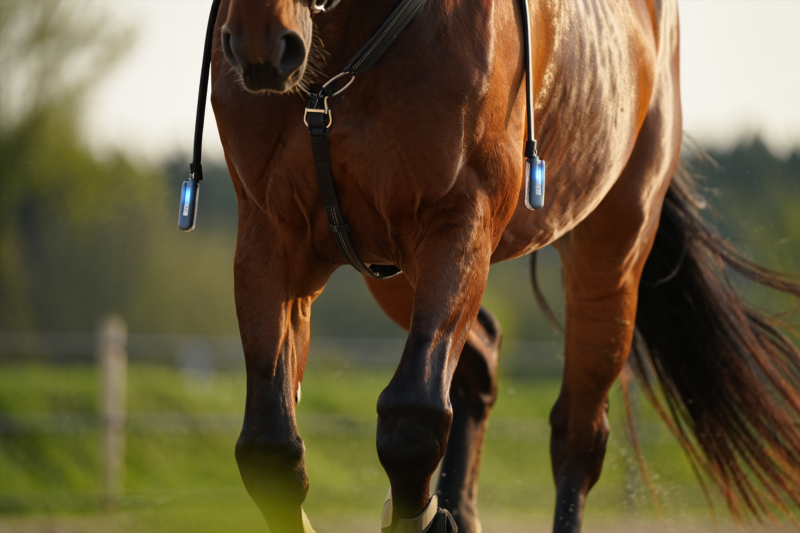
Equestrian movement sensors are wearable devices, typically attached to horse tack or harnesses, equipped with accelerometers, gyroscopes, and GPS technology. These sensors capture multidimensional data on:
- Stride length
- Lateral and vertical movements
- Posture and balance
- Gait patterns
- Joint angles during motion
This data is transmitted in real-time to specialized analytics platforms that translate raw numbers into actionable insights.
Benefits of Movement Sensors in Horse Training
| Benefit | Explanation |
| Objective Performance Metrics | Quantifies aspects like stride symmetry, consistency, and tension that are invisible to the naked eye. |
| Personalized Training | Enables custom training plans based on a horse’s unique biomechanics and performance data. |
| Injury Detection & Prevention | Identifies early signs of fatigue, uneven gait, or irregular movements before injury occurs. |
| Progress Tracking | Provides historical data to monitor improvements over time and adjust training accordingly. |
By integrating these sensors into daily routines, trainers and riders gain a deeper understanding of their horses’ physical health and movement efficiency.
Advanced Data Analysis: Turning Data into Performance Insights
From Raw Data to Strategic Decisions
The true value lies in how data is interpreted. Modern equestrian analytics platforms employ machine learning algorithms to analyze movement patterns, identifying subtle irregularities that could indicate potential issues or opportunities.
Typical analytical outcomes include:
- Identifying asymmetries impacting jumping precision
- Diagnosing biomechanical inefficiencies in dressage movements
- Tailoring feeding and conditioning programs to optimize biomechanics
- Detecting early signs of injury risk based on movement deviations
Innovative Training Methods Driven by Data
With these insights, trainers can design data-driven training regimens that:
- Focus on correcting specific biomechanical flaws
- Enhance rider-horse synchronization
- Optimize saddle fitting based on movement patterns
- Implement targeted physiotherapy and recovery programs
By adopting a scientific approach, you unlock performance gains previously unattainable through conventional techniques.
Future Trends in Equestrian Analytics
Integration with Biomechanics and Artificial Intelligence
The future of horse performance analysis points towards seamless integration of movement sensors with biomechanics modeling and AI-powered predictive analytics. This will enable:
- Real-time feedback during training sessions
- Predictive injury models that foresee potential issues
- Enhanced virtual coaching through augmented reality overlays
Wearable Tech and IoT Ecosystems
Growing Internet of Things (IoT) networks will connect multiple devices—heart rate monitors, environmental sensors, and stable management systems—creating a comprehensive picture of the horse’s health and performance.
The Cultural Shift: Data-Driven Equestrian Sports
As data becomes ingrained in training culture, we’ll see a shift toward precision and personalization, elevating equestrian sports to new competitive standards. This evolution will foster a culture of continuous improvement, safety, and clarity, making riding and training more accessible and scientifically grounded.
Frequently Asked Questions (FAQs)
How accurate are movement sensors in measuring horse performance?
Modern sensors are highly accurate, with some providing sub-millimeter precision. They use robust algorithms to filter noise and give reliable insights suitable for competitive and breeding applications.
Can movement sensors replace traditional training methods?
No, they complement rather than replace traditional skills. Combining expert experience with data insights leads to more holistic and effective training.
Are these tools affordable for amateur riders and small stables?
Yes, sensor technology is becoming increasingly accessible, with different models suited for various budgets—from entry-level devices to professional-grade systems.
What’s the first step to integrating equestrian analytics into my training?
Start by choosing a reputable movement sensor compatible with your training goals, and partner with an analytics platform or consultant to interpret your data effectively.
Harnessing the power of equestrian data tools and movement sensors ushers in a new era of performance optimization. By translating precise movement analysis into tailored training strategies, riders, trainers, and breeders can unlock their horses’ full potential, prevent injuries, and stay ahead of emerging trends.
At EquiForge, we champion integrating advanced technology into your equestrian journey. Whether you’re aiming for competitive excellence or simply seeking to deepen your connection with your horse, embracing these innovations will ensure you ride with confidence and thrive in every arena. Ready to redefine horse training? Explore the possibilities today and lead the charge into the future of equestrian sports!
Start transforming your horse performance analysis now! Contact our experts or explore leading equestrian analytics solutions to step into the future of riding.