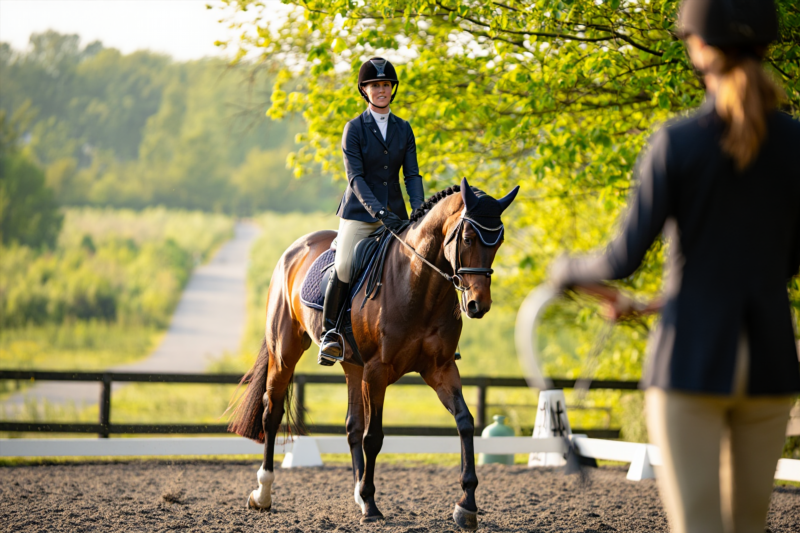
Developing an effective annual training cycle is essential for maximizing equestrian performance while prioritizing the health and wellbeing of both horse and rider. A well-structured yearly plan ensures steady progress, prevents burnout, and optimizes training outcomes. Whether you’re preparing for competition or aiming for consistent improvement, this guide provides practical strategies to design a successful training calendar that aligns with your goals.
Why Is an Effective Annual Training Cycle Essential?
Consistency and Progression
An annual plan provides a clear roadmap, allowing for consistent training that gradually intensifies to enhance strength, skill, and confidence. It prevents random, unstructured work, minimizing injury risk and fostering sustainable growth.
Optimal Rest and Recovery
A well-structured cycle incorporates planned rest periods and lighter phases, promoting tissue repair and mental freshness, which translate into improved performance when it counts.
Prevention of Overtraining
Overtraining can lead to fatigue, injuries, and loss of motivation. An annual plan balances work and recovery, ensuring both horse and rider remain healthy and motivated.
Key Components of an Effective Yearly Training Cycle
| Component | Purpose | Implementation Tips |
| Goal Setting | Clarifies objectives for the year | Define specific, measurable goals (e.g., improve dressage scores, perfect jumping technique) |
| Macrocycles | Major periods focusing on broad goals | Typically 3-4 per year, each lasting 3-4 months |
| Mesocycles | Subdivisions within macrocycles | Focused themes like building strength, refining techniques, or peak performance |
| Microcycles | Weekly or bi-weekly training blocks | Manage intensity, introduce variations, allow for adjustments |
| Rest and Tapering Phases | Recovery periods | Scheduled after intense training blocks or before competitions |
How to Structure Your Annual Training Plan
Step 1: Define Your Goals and Priorities
Identify what you want to achieve at year’s end—be it successful competition results, improved riding skills, or health milestones. Clear objectives inform every phase of your plan.
Step 2: Break Down the Year into Macrocycles
Divide the year into 3-4 macrocycles, each with distinct focuses:
- Foundation Phase: Building strength and consistency
- Development Phase: Improving technical skills
- Peak Phase: Entering competition mode
- Transition Phase: Rest and assessment
Step 3: Design Mesocycles Within Each Macrocycle
For example, a 3-month macrocycle could include:
- Months 1-2: Focused on strengthening muscles and conditioning
- Month 3: Technique refinement and symptom checks
Step 4: Plan Microcycles for Weekly Training
Alternate between hard work and lighter days, incorporating varied training methods such as circles, gridwork, and trail riding to prevent monotony and overload.
Step 5: Incorporate Rest and Recovery
Schedule quarterly rest weeks and lighter microcycles to allow tissues to recover and prevent overtraining.
Practical Tips to Get Started Today
- Set SMART Goals: Specific, Measurable, Achievable, Relevant, Time-bound goals motivate consistent effort.
- Consult Professionals: Work with trainers, veterinarians, and biomechanics experts to tailor your plan.
- Track Progress: Use training journals or digital apps to monitor performance, behavior, and health.
- Adjust Flexibly: Be prepared to modify plans based on progress, injury, or seasonal factors.
- Prioritize Welfare: Incorporate preventative care, proper nutrition, and appropriate work intensity.
Frequently Asked Questions
How long should my annual training cycle be?
Typically, an annual training cycle spans 12 months, divided into macro- and microcycles. The length and segmentation depend on your goals, competition calendar, and horse’s condition.
How do I balance training intensity and rest?
Implement active recovery days and periods of reduced intensity. Use mechanical workload indicators, such as heart rate and fatigue signs, to tailor training loads.
Can I adapt my plan if my horse or rider doesn’t progress as expected?
Absolutely. Flexibility is key. Regular assessments enable you to modify aims, increase recovery, or shift focus to different skills or health concerns.
How important is periodization in horse training?
Periodization structures training into phases, optimizing performance peaks and minimizing injury risk. It’s a proven strategy to get the best out of horses and riders over the long term.
Designing an effective annual training cycle requires strategic planning, flexibility, and a deep understanding of both horse and rider needs. By breaking the year into manageable phases, setting clear objectives, and balancing work with recovery, you set a foundation for sustained improvement and wellbeing. Start today with a structured plan, and watch your partnership with your horse flourish beyond expectations. Whether in local shows or international arenas, a well-crafted annual training regimen is your pathway to riding with confidence and success.
Unlock your equestrian potential—apply these strategies now and build a resilient, talented pair ready to thrive every step of the way.