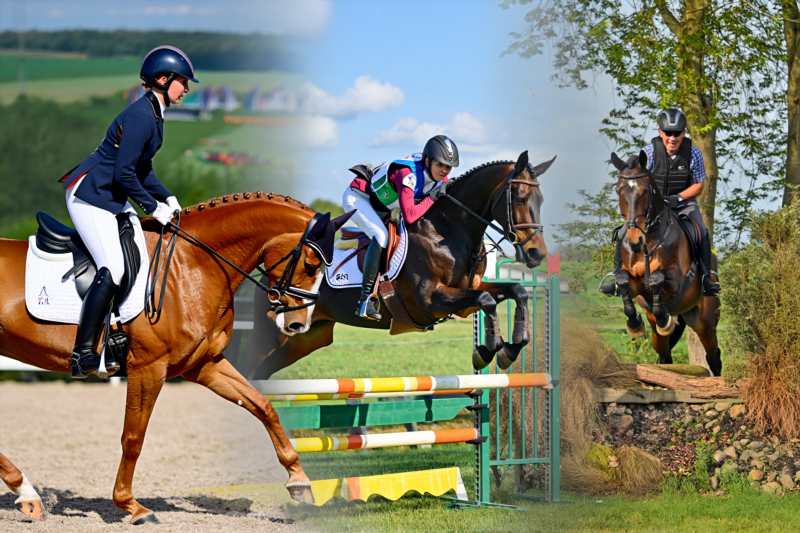
Understanding the distinct disciplines within the world of equestrian sports is crucial for riders, trainers, breeders, and enthusiasts aiming to elevate their skills and deepen their passion. At EquiForge, we believe that comprehensive knowledge leads to better performance, stronger bonds with horses, and greater enjoyment in every arena—be it leisure trails or elite competition.
In this article, you will discover the key differences between dressage, show jumping, and eventing—the core pillars of modern equestrian competition. Whether you’re new to the sport or a seasoned competitor, grasping these distinctions can significantly enhance your riding technique, strategy, and overall experience. Explore more now to unlock your full potential and ride with confidence.
Understanding the Core Disciplines
What is Dressage?
Dressage is often described as the art of riding and training a horse in a manner that develops its natural potential to perform with precision, grace, and ease. Often called “horse ballet,” dressage emphasizes harmony between rider and horse, involving highly controlled, precise movements.
Key features include:
- Focus on suppleness, balance, and obedience
- Movements such as piaffe, passage, flying changes, and lateral work
- Judged on precision, smoothness, and aesthetic
Why it matters: Dressage builds the foundational biomechanics, rider posture, and psychological trust necessary for higher-level disciplines. It enhances your horse’s flexibility and responsiveness, fundamental for success in other sports.
What is Show Jumping?
Show jumping is a dynamic, speed-oriented discipline requiring both agility and precision. Here, the horse and rider navigate a course of obstacles in a set order within a limited time, aiming to avoid faults such as knocking down rails or refusals.
Key features include:
- Emphasis on technical skill, timing, and agility
- Obstacles such as fences, oxers, and verticals
- Courses range from 1.0 to 1.6 meters depending on levels
Why it matters: Show jumping tests the rider’s ability to plan and execute fast, accurate turns while maintaining the horse’s confidence and form. It fosters quick decision-making and sharp biomechanics, translating into performance skills across many riding types.
What is Eventing?
Eventing is often referred to as an equestrian triathlon, combining three phases:
- Dressage — testing precision, obedience, and harmony
- Cross-country — a timed endurance phase over natural terrain with fixed obstacles
- Show jumping — final phase testing agility and form
Key features include:
- Comprehensive skills testing rider and horse versatility
- Emphasis on endurance, courage, and adaptability
- Requires knowledgeable stable management due to diverse demands
Why it matters: Eventing demands a broad skill set, covering multiple disciplines in one competition. It encourages a holistic approach to training, biomechanics, and injury prevention, ultimately improving your overall riding confidence and resilience.
Comparing the Disciplines: Key Dimensions
| Aspect | Dressage | Show Jumping | Eventing |
| Primary Focus | Precision, suppleness, obedience | Speed, accuracy, agility | Versatility, endurance, coordination |
| Typical Movements/Obstacles | Lateral, collected movements, piaffe, passage | Verticals, oxers, vertical fences | Cross-country natural obstacles + stadium jumps |
| Judging Criteria | Harmony, technical precision, presentation | Faults, time, jumping technique | Combination of scores from all phases |
| Course Length | Usually shorter, set pattern | Timed course, variable complexity | Entire event spans several hours/days |
| Rider Skills | Advanced biomechanics, posture, control | Quick reflexes, strategic planning | Adaptability, endurance, mental resilience |
How These Disciplines Complement Each Other
While each discipline emphasizes different skills, they are mutually reinforcing. For example:
- Dressage improves your control and understanding of biomechanics, aiding in higher jumps and cross-country navigation.
- Show jumping sharpens your timing and quick decision-making, reducing faults in eventing’s jumping phases.
- Eventing cultivates resilience and adaptability, bestowing confidence in unpredictable situations.
Integrating insights from all three disciplines can help you become a more comprehensive rider, capable of tackling varied terrains, obstacles, and challenges.
Frequently Asked Questions
1. Can I participate in multiple disciplines with the same horse?
Yes! Many riders train their horses across dressage, show jumping, and eventing to develop well-rounded skills. Proper training and condition management are key to preventing injuries.
2. What equipment differences should I know?
While all disciplines require a suitable saddle and bridle, specific features such as dressage bits, jumping saddles, or cross-country safety gear vary based on discipline needs.
3. How do I start training in each discipline?
Begin with fundamental groundwork, focusing on biomechanics, rider posture, and connection with your horse. Seek professional coaching and gradually progress into discipline-specific techniques.
Elevate Your Equestrian Experience Today
Understanding these field-specific differences empowers you to make informed decisions in training, competition, and stable management. Whether your goal is to master dressage’s elegant movements, excel in the agility of show jumping, or compete across all phases in eventing, EquiForge is your trusted partner.
Explore our expert programs, practical tools, and resource guides to build trust with your horse, ride with confidence, and thrive in every arena.
Discover more now to transform your riding journey!