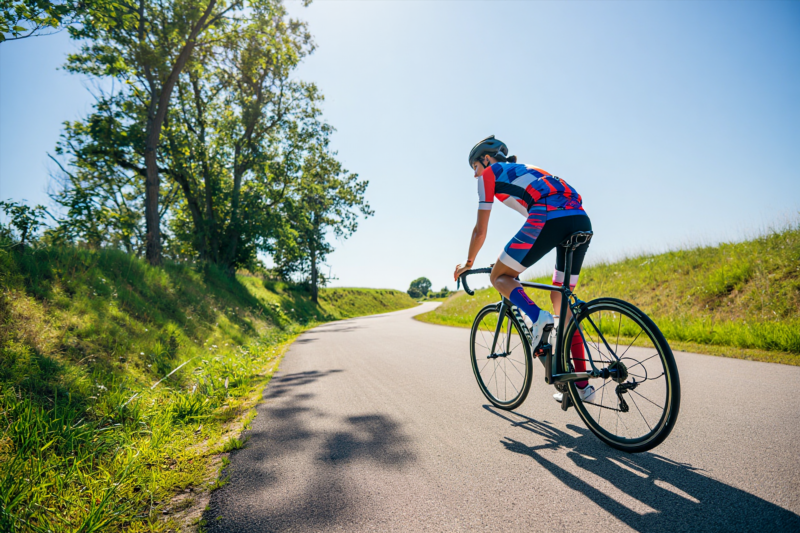
Cycling is not just a sport; it’s a precision art that blends stamina, technique, and comfort. One of the most critical yet often overlooked factors influencing a cyclist’s performance and well-being is the saddle position. An improperly aligned saddle can lead to discomfort, biomechanical inefficiencies, and even long-term injuries. Understanding the biomechanics behind a correct saddle setup ensures that every ride is smooth, safe, and enjoyable.
Why Proper Saddle Position Matters
- Enhanced Comfort: A well-positioned saddle reduces pressure points, minimizes numbness, and prevents saddle sores.
- Injury Prevention: Correct biomechanics help avoid knee, hip, lower back, and neck pain.
- Improved Efficiency: Optimal saddle placement allows for more effective power transfer and better pedaling mechanics.
- Extended Riding Duration: Comfortable saddle positioning enables longer rides without fatigue or discomfort.
Key Biomechanical Principles of Saddle Position
The biomechanics of cycling revolve around aligning the rider’s body to optimize force application while minimizing strain on joints and muscles.
1. Saddle Height: The Foundation of Pedaling Efficiency
Optimal saddle height ensures that your knee is slightly bent at the bottom of the pedal stroke, typically around 25-35 degrees of knee flexion. How to measure:
- Sit on your saddle with your foot at the bottom of the pedal stroke.
- Your leg should be almost fully extended but with a slight bend at the knee.
Impact: Proper height allows for full leg extension, maximizing power without overstressing the knee joint.
2. Saddle Fore-Aft Position: Aligning Your Knee Over Pedal Center
The fore-aft position affects hip and knee biomechanics. Proper positioning:
- When the crank arm is horizontal, the bony protrusion just below your kneecap (tibial tuberosity) should be roughly above the center of the pedal axle.
Why it matters:
- Ensures efficient energy transfer
- Prevents knee strain and hip discomfort
3. Saddle Tilt: Achieving Natural Pelvic Position
A level saddle or slight nose-down tilt (~1-2 degrees) helps maintain proper pelvic alignment. Caution:
- Too much tilt can cause sliding forward, increase pressure on sensitive areas, and cause discomfort.
- Slight tilt forward may promote better blood flow and reduce saddle sores.
4. Saddle Width and Shape: Supporting Pelvic Stability
Choose a saddle that fits your pelvis size and riding style.
- Wider saddles provide more support for comfort on long rides.
- Narrower saddles promote better leg movement and aerodynamics.
Practical Tips for Optimizing Your Saddle Position
- Start with the basics: Adjust height first, then fore-aft, then tilt.
- Conduct test rides: Make small adjustments and note your comfort and performance.
- Leverage technology: Use tools like a plumb line or level app, or get a professional bike fit.
- Listen to your body: Pain or numbness often signals misalignment.
Common Mistakes to Avoid
| Mistake | Consequence |
| Setting saddle too high | Knee strain, reduced pedal control |
| Positioning saddle too far back or forward | Hip or knee pain, inefficient power transfer |
| Excessive tilt | Discomfort, saddle soreness, pelvic instability |
| Ignoring individual anatomy | Persistent discomfort, injury risk |
FAQs About Saddle Biomechanics
How often should I check my saddle position?
It’s recommended to reassess saddle position every few months or after any bike component changes, illness, or injury.
Can I modify saddle position for different rides?
Absolutely. For long-distance rides, slight adjustments for comfort are acceptable. Competitive racing might require more aggressive positioning.
Is a professional bike fit necessary?
While basic adjustments can be done at home, consulting a professional bike fitter enhances biomechanical optimization, especially for riders experiencing persistent discomfort or seeking peak performance.
Achieving the correct saddle position is a vital step toward a more comfortable, injury-free, and efficient cycling experience. By understanding the biomechanics involved and making incremental adjustments, riders can enjoy smoother rides, better performance, and longer cycling lifespan.
Ready to improve your cycling comfort? Begin with small adjustments today or consult a professional for a personalized fit. Your body—and your pedals—will thank you.
Ride confidently, and enjoy the journey!