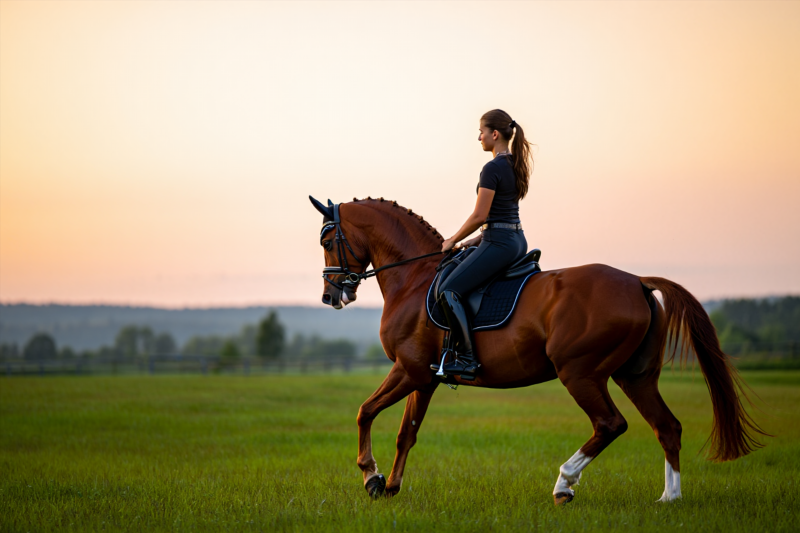
Whether you’re an enthusiastic rider hitting the trails on weekends or an aspiring athlete preparing for top-tier shows, understanding the key differences between amateur and competition-level riding is essential for growth. At EquiForge, we believe that equestrian excellence stems from mastering both technical skills and mental resilience, whether you’re riding for leisure or competing at the highest levels. This article dives into the fundamental distinctions between amateur and competition riding, offering insights to help you elevate your skills, boost confidence, and achieve your riding goals.
Defining Amateur and Competition Riding
Before exploring the skills differences, it’s important to clarify what distinguishes amateur riding from competitive riding:
| Aspect | Amateur Riding | Competition Riding |
| Goal | Enjoyment, recreation | Performance, achievement |
| Formality | Often informal, relaxed | Structured, rule-based |
| Training | Basic to intermediate | Advanced, specialist |
| Frequency | Varies, often less frequent | Regular, disciplined |
Key Skill Differences Between Amateur and Competition Riding
Understanding the nuanced skill sets required at each level can significantly influence your training approach and mindset.
1. Technical Riding Skills
Amateur Riding:
- Focused on general control and balance
- Basic understanding of aids (hands, seat, legs)
- Comfortable with standard arena movements
Competition Riding:
- Mastery of advanced techniques such as flying changes, piaffe, or adapted dressage movements
- Precise control of aids for nuanced commands
- Ability to execute complex patterns and courses with precision
2. Riding Posture and Seat
Amateur Riders:
- Comfortable, natural seat focused on enjoyment
- Improper posture may go unnoticed
Competitive Riders:
- Correct, disciplined posture aligned with discipline standards
- Constant self-monitoring to maintain optimal seat for clear communication
3. Horse-Rider Communication
Amateur Riders:
- Basic understanding of horse signals and responses
- Less emphasis on subtle cues
Competitive Riders:
- Developed skills in reading and responding to horse’s subtle cues
- Use of refined aids to improve performance and harmony
4. Mental Preparation and Focus
Amateur Riders:
- Riding often viewed as relaxation and fun
- Less structured mental routines
Competitive Riders:
- High level of mental discipline for focus and concentration
- Employ visualization, breathing exercises, and routine to perform under pressure
5. Fitness and Conditioning
Amateur Riders:
- Casual level of fitness, riding at leisure
Competitive Riders:
- Dedicated physical training, including core strength and rider fitness programs
- Understanding of biomechanical principles to prevent injury and enhance performance
6. Performance Under Pressure
Amateur Riders:
- Less exposure to high-stress situations
- More forgiving of mistakes
Competitive Riders:
- Ability to maintain composure amidst nerves
- Skills in managing adrenaline and focus during events
Practical Tips to Bridge the Gap
Progressing from amateur to competition riding requires strategic training and mindset development. Here are some practical tips:
- Set Clear Goals: Define what you want to achieve and create a progressive training plan.
- Invest in Coaching: Regular lessons with a qualified instructor can refine your technique.
- Practice Consistency: Establish a riding routine that builds skill and confidence.
- Focus on Equine Care: Proper feeding, biomechanics understanding, and saddle fitting contribute to better performance.
- Enhance Mental Resilience: Practice visualization, mindfulness, and stress management to perform at your best.
FAQs: Common Questions About Amateur and Competition Riding
Q: Can I compete without advanced skills?
A: Yes, many competitions have classes for beginners or amateurs. Starting with local shows allows you to gain experience, improve your skills, and gradually progress.
Q: How important is rider posture in competition?
A: Extremely important. Correct posture ensures better communication with the horse, improves balance, and helps perform complex movements accurately—key to scoring well.
Q: What’s the best way to prepare for competition?
A: Consistent training, working with a qualified coach, practicing under simulated competition conditions, and maintaining mental focus are vital.
Q: Should amateur riders focus on perfecting skills or having fun?
A: Balance is key. While technical mastery enhances enjoyment and safety, maintaining the joy of riding fuels motivation and growth.
Whether your riding passion lies in leisure trails or competitive arenas, understanding the differences between amateur and competition-level skills empowers you to tailor your training effectively. At EquiForge, we advocate for continuous learning, disciplined practice, and a deep connection with your horse—elements that bridge the gap from enjoyable riding to competitive excellence.
Take Action Today: Assess your current skills, set achievable goals, and seek expert guidance to unlock your potential. Whether riding for pleasure or competition, becoming a better rider enriches your experience and deepens the bond with your horse.
Ready to sharpen your skills and excel in every arena?
Contact EquiForge today for personalized coaching tips, training programs, and expert insights to guide your riding journey from amateur to competitive excellence!